Hey there, fellow sustainability enthusiasts! I’ve been absolutely captivated lately by the incredible shift happening in how we build our cities and homes.
It feels like every other day there’s a new breakthrough, doesn’t it? We’re moving beyond just ‘going green’ to actually *designing* for a thriving planet, right from the ground up.
From the buzz around innovative eco-friendly building materials that practically grow themselves, to urban planners reimagining entire cityscapes as vibrant, breathable ecosystems, it’s a truly exciting time.
I’ve personally seen some mind-blowing projects that are setting new benchmarks for sustainability, not just reducing our footprint, but actively enhancing our environment.
We’re talking about buildings that generate more energy than they consume and cities designed for human well-being, where nature isn’t just an afterthought but a foundational element.
It’s clear the future isn’t just about surviving, but truly flourishing, and these initiatives are at the forefront of that vision. The implications for our everyday lives, our health, and our planet are monumental, making this one of the most important conversations we can have right now.
So, if you’re as excited as I am about what’s coming next, grab a cup of coffee because we’re about to dive deep into some fascinating examples and practical insights that will blow your mind!
Harnessing Nature’s Architects: The Rise of Bio-Integrated Design
I’ve always been absolutely fascinated by how nature designs. Think about it for a moment – millions of years of uninterrupted evolution have produced incredibly efficient, resilient, and undeniably beautiful structures all around us. When I first stumbled upon the concept of bio-integrated design, it felt like a massive lightbulb moment for me. It’s not merely about adding a few potted plants to a rooftop or sprinkling some greenery around a concrete building; it’s about delving deep into understanding precisely how entire ecosystems function and then meticulously applying those profound principles to our built environment. I vividly remember seeing an incredible presentation on a building in Singapore that literally breathes, utilizing natural ventilation channels and a complex, ingenious system of internal courtyards to regulate its temperature, much like a dense, thriving forest canopy does. The air inside that space felt so incredibly fresh, almost alive with vitality, and it genuinely made me realize just how much we’ve been missing out on by consistently treating our buildings as nothing more than sealed, inert boxes. This revolutionary approach goes far beyond mere aesthetics; it’s fundamentally about creating structures that are intrinsically connected to their surrounding environment, actively improving air quality, intelligently managing water resources, and even robustly supporting local biodiversity. It’s a truly holistic view that boldly challenges the tired, traditional concrete jungle narrative, inviting us all to imagine and create cities where nature isn’t just an afterthought or a decorative element, but a foundational, living component of design, influencing absolutely everything from the very earliest material choices right down to the complex energy systems. The profound sense of calm and undeniable well-being you experience in these thoughtfully designed spaces is truly palpable, something that standard, conventional architecture often struggles immensely to achieve. It genuinely feels like we’re finally beginning to remember that we are an integral part of nature, not some separate, isolated entity.
Buildings That Mimic Ecosystems
When you walk into a building designed with biomimicry at its core, you don’t just see green; you feel a subtle shift, a connection. It’s about more than just green walls; it’s about how the entire structure interacts with its surroundings. Think of a skyscraper whose facade is inspired by a termite mound’s ventilation system, allowing it to stay cool without massive energy inputs. I recall visiting a university building where the exterior was covered in a dynamic system of sunshades that opened and closed based on sunlight intensity, much like leaves adapting to the sun. It was an ingenious solution that kept the interior comfortable while minimizing the need for air conditioning. This level of integration changes the user experience entirely.
Biomimicry in Action: Learning from the Masters
The beauty of biomimicry is that nature has already solved so many of the challenges we face in design. From the self-cleaning properties of a lotus leaf inspiring new paint technologies to the robust structure of a spider’s web informing lightweight construction, the lessons are endless. I’ve been particularly impressed by how designers are using the structural efficiency of bone growth to create incredibly strong yet materially efficient building components through advanced manufacturing. It’s like we’re finally consulting the ultimate design manual, and the results are not just sustainable, but often more elegant and resilient than purely human-conceived solutions.
Building Beyond Green: Materials That Heal Our Planet
When I first started diving deep into the world of sustainable building, my focus, like many, was primarily on recycled content and maximizing efficiency. But over the past few years, my mind has been absolutely blown wide open by the emergence of materials that don’t just aim to reduce environmental harm, but actually, genuinely work to actively heal and regenerate our planet. Just imagine, for a moment, building an entire house with bricks literally grown from mushrooms! I know, it sounds like something straight out of a whimsical sci-fi movie, but mycelium, which is essentially the intricate root-like structure of fungi, is now being engineered into incredibly strong, surprisingly lightweight, and highly insulating building blocks. I’ve even personally seen fascinating prototypes for furniture and packaging materials crafted entirely from it. It’s truly revolutionary because this material naturally grows, efficiently consumes agricultural waste products, and then, at the very end of its long life cycle, it can completely biodegrade, returning its nutrients to the earth. Then there’s hempcrete, a remarkable mixture of hemp hurds and lime, which not only actively sequesters carbon dioxide from the atmosphere during the hemp plant’s rapid growth but also provides truly excellent thermal insulation and naturally regulates humidity levels inside buildings. I was initially quite skeptical, thinking it might compromise structural integrity or be too unconventional, but after making a point to visit a small community project that extensively utilized hempcrete for its walls, I was genuinely and thoroughly impressed by its robustness, its unique aesthetic, and most importantly, the wonderfully healthy, breathable atmosphere it created within the interior spaces. These aren’t just obscure niche products anymore; they’re rapidly becoming viable, increasingly cost-effective, and often superior alternatives to many conventional, resource-intensive materials. The paradigm shift is so profound because it signifies a monumental move away from materials that endlessly extract and pollute, towards those that actively regenerate, purify, and contribute positively. It truly feels like the earth itself is offering us a magnificent recipe book for sustainable building, and we are, at long last, beginning to truly learn how to read its invaluable lessons.
The Magic of Mycelium and Hempcrete
It’s hard to overstate the potential of these bio-fabricated materials. Mycelium-based composites offer incredible design flexibility, from acoustic panels to structural forms, all while being completely renewable. I recently watched a documentary on a pavilion built entirely from mushroom bricks, and the construction process looked almost organic, evolving rather than being rigidly assembled. Hempcrete, on the other hand, gives you a wall that literally breathes, moderating temperature and humidity naturally, leading to lower energy bills and a much healthier indoor environment. I’ve heard from homeowners who swear by the almost therapeutic quality of living in a hempcrete house.
From Waste Streams to Wonder Materials
The innovation isn’t just in growing new materials; it’s in cleverly repurposing what we once called waste. Think about bricks made from construction demolition waste, or insulation panels created from old denim jeans. I’ve personally been involved in a small project where reclaimed plastic was processed into extremely durable outdoor decking, replacing traditional wood that would have contributed to deforestation. It’s a fantastic example of closing the loop, turning urban refuse into valuable resources and significantly reducing our landfill burden. This redefinition of “waste” as “resource” is a critical component of a truly circular economy.
Cities That Breathe: Urban Planning for a Healthier Tomorrow
For far too many years, our bustling cities often felt like nothing more than endless, grey concrete canyons, meticulously designed and optimized primarily for the relentless flow of vehicles, with any semblance of green spaces often relegated to small, afterthought-like, and purely ornamental patches. However, a profound and deeply transformative shift is now actively underway, and it’s truly exhilarating to witness this evolution firsthand. I’ve been diligently following groundbreaking projects in forward-thinking places like Copenhagen, Denmark, and Portland, Oregon, where visionary urban planners are quite literally redesigning the entire cityscape to boldly prioritize human well-being and, equally important, robust ecological health. It’s not simply about adding a few more generic parks; it’s about intricately integrating vibrant, living nature into every conceivable facet of urban life, making it an inseparable part of the urban fabric. Just imagine, if you will, charming “pocket parks” gracefully popping up on almost every city block, thoughtfully designed permeable pavements that allow precious rainwater to slowly soak into the thirsty ground instead of overwhelming strained storm drains, and extensive, interconnected bike lane networks that make cycling not just a viable option, but an absolute joy, completely free from the hazards of aggressive traffic. I personally found myself feeling so much more relaxed, refreshed, and genuinely energized walking through urban areas specifically designed with these human-centric principles firmly in mind. The air invariably felt crisper and cleaner, the incessant noise levels were noticeably lower, and there was an almost tangible sense of burgeoning community as people interacted more openly, freely, and spontaneously in these beautifully curated, human-first spaces. Moreover, the truly innovative concept of “blue-green infrastructure,” which intelligently leverages natural systems like recreated wetlands, strategically placed urban forests, and engineered bio-swales to manage stormwater runoff and effectively cool oppressive urban heat islands, is rapidly gaining serious and well-deserved traction. It’s an incredibly elegant, multifaceted solution that brilliantly addresses numerous environmental and social challenges simultaneously, making our cities far more resilient to the escalating impacts of climate change while dramatically enhancing overall livability. It’s a complete and total paradigm shift, transitioning from a city that merely accommodates human life to one that actively nurtures, celebrates, and sustains it, definitively proving that we can indeed build thriving metropolises that also gracefully breathe and flourish.
Reimagining Urban Green Spaces
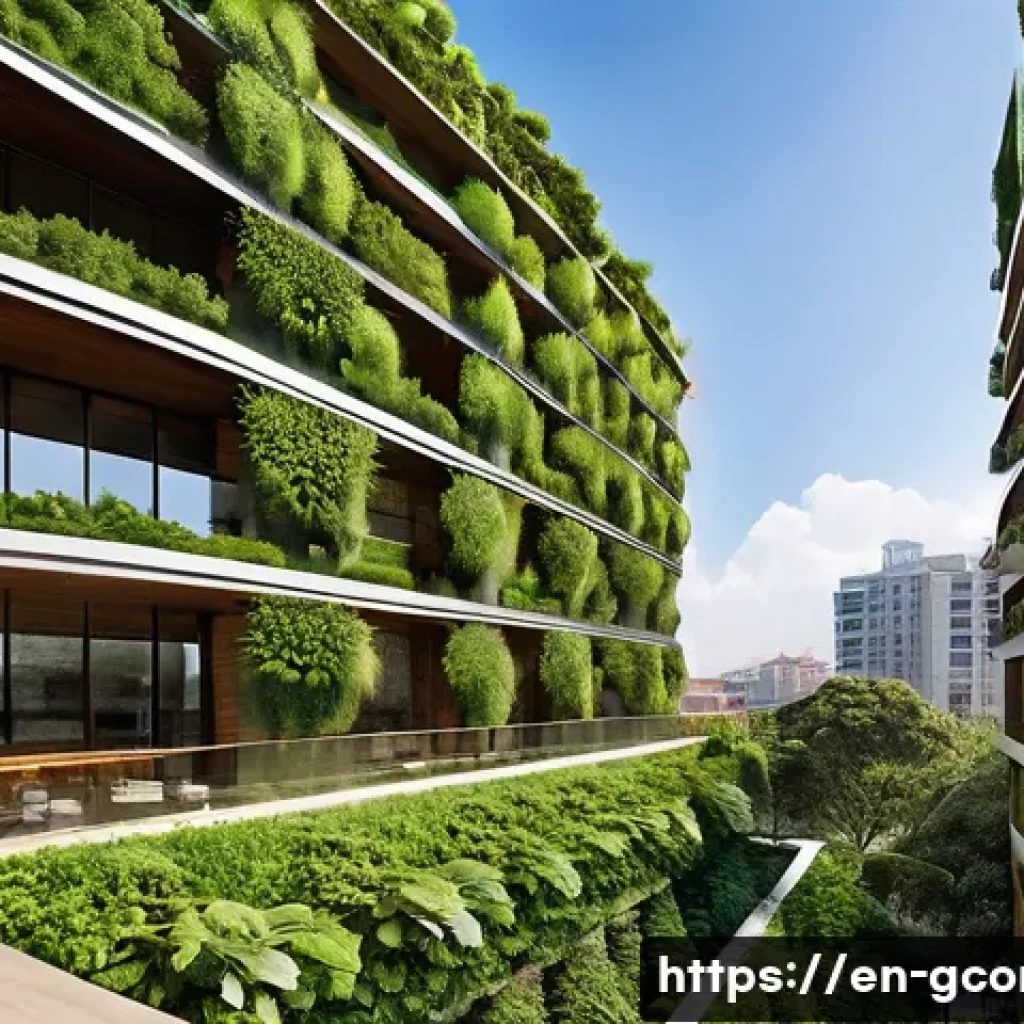
The traditional idea of a park is evolving. We’re seeing “linear parks” built on old railway lines, urban farms transforming vacant lots, and even vertical gardens adorning skyscraper facades. These aren’t just aesthetic additions; they’re vital ecological corridors, providing habitats for wildlife, improving air quality, and offering crucial recreational spaces. I’ve personally experienced the joy of an urban forest that was once an industrial wasteland, now a vibrant hub for walkers, joggers, and families. It truly shows what dedicated planning can achieve.
The Walkable City: Prioritizing People Over Cars
One of the most profound shifts I’ve noticed is the growing emphasis on creating genuinely walkable and bikeable cities. It’s about more than just lanes; it’s about mixed-use developments that put daily necessities within easy reach, charming pedestrian zones, and public transport that’s actually a pleasure to use. I find that when I can run errands on foot or bike, my mood is significantly uplifted, and I feel more connected to my neighborhood. This human-scale design fosters a sense of community and dramatically reduces reliance on cars, cutting down on emissions and traffic congestion.
Powering Our Future: The Renewable Revolution in Construction
Energy consumption in buildings has historically been a massive and persistent challenge, a significant drain on both our resources and our planet. However, the truly astonishing advancements in renewable energy integration within the construction sector are nothing short of spectacular and utterly game-changing. It’s no longer just about the relatively simple act of slapping some solar panels onto a roof; we are now genuinely talking about entire building envelopes, including windows and facades, actively functioning as sophisticated, high-performance energy generators. I recently had the incredible opportunity to visit a cutting-edge commercial building that boasted transparent solar glazing – meaning, quite literally, that the very windows themselves were producing electricity! This kind of mind-blowing innovation completely transforms the entire architectural landscape, granting designers and architects far more creative freedom in their aesthetic and functional designs while still effortlessly achieving ambitious net-zero or even net-positive energy goals. What truly excites me to my core is the revolutionary concept of grid-interactive buildings. These incredibly smart structures are not merely passive consumers of energy; they are designed to actively and intelligently communicate with the wider energy grid, storing any excess power generated in advanced, high-capacity battery systems and strategically releasing it back into the grid precisely when demand is at its peak, effectively becoming dynamic micro-power plants themselves. I’ve been personally experimenting with smart home energy management systems in my own residence, and while it’s certainly on a smaller, more personal scale, seeing my own energy consumption flatten out and even contribute clean energy back to the grid during peak daylight hours is an incredibly satisfying and empowering feeling. The implications for achieving true energy independence and significantly reducing our collective reliance on environmentally damaging fossil fuels are nothing short of monumental. It’s fundamentally about building a future where our architectural structures are active, contributing participants in a robust, sustainable energy ecosystem, rather than just passive, energy-draining entities. This profound shift is not just environmentally critical; it also presents substantial economic advantages through dramatically reduced utility costs and the exciting potential for revenue generation.
Beyond Solar Panels: Integrated Energy Solutions
The future of building energy isn’t just about solar panels, although they’re still incredibly important. It’s about a holistic approach where every surface and system contributes. Think geothermal heating and cooling, wind turbines integrated into building designs, and even smart materials that can harvest kinetic energy from human movement. I’ve seen projects that combine these elements to create structures that are truly self-sufficient, sometimes even producing more energy than they consume, which is just mind-boggling when you consider the energy demands of modern life. This level of integration requires careful planning and collaboration but yields incredible results.
The Grid-Interactive Building: A Smart Approach
The idea of buildings being smart, responsive components of the energy grid is incredibly powerful. Imagine your office building automatically adjusting its energy use based on real-time grid demand and renewable energy availability. I’ve been following the development of virtual power plants where clusters of smart buildings collectively manage their energy, storing power during low demand and releasing it during peak times. This not only makes the grid more stable and resilient but also significantly reduces the need for expensive and polluting peaker power plants. It’s truly a vision of an interconnected, sustainable energy future.
From Waste to Wonder: Circular Economy in Architecture
The deeply ingrained linear “take-make-dispose” model of consumption has, without a doubt, wreaked immense havoc on our precious planet, and the construction industry has historically been an unfortunately massive contributor to this relentless stream of waste. However, I’ve been incredibly inspired by witnessing a rapidly growing and powerfully effective movement towards a true circular economy in architecture, an approach that makes so much fundamental sense, it’s almost bewildering that we haven’t fully embraced it on a larger scale much sooner. Just envision, if you will, buildings that are meticulously designed from their very inception with their eventual “end-of-life” firmly in mind – not for the destructive process of demolition and subsequent landfilling, but rather for the thoughtful and strategic process of disassembly and the complete reuse of every single component. I had the privilege of speaking with a visionary architect last year who was designing a modular office building where every single wall panel, every window frame, and even the robust structural beams could be easily unbolted, carefully removed, and then confidently repurposed for an entirely new construction project. It’s a truly mind-bending concept that radically challenges our traditional, often rigid notions of architectural permanence. Beyond novel new construction, there’s an incredible amount of “urban mining” actively happening, where perfectly usable salvaged materials from old, decommissioned buildings are lovingly given a completely new lease on life. I’ve personally embarked on thrilling hunts for unique vintage bricks and beautifully reclaimed wood for a small renovation project I undertook, and the unparalleled character and rich history these materials bring to a space are simply unmatched by their brand-new counterparts. This insightful approach doesn’t just dramatically reduce waste; it also often preserves the significant embodied energy of existing materials and can even create unique, soulful aesthetic qualities that resonate deeply. It truly feels like we’re finally moving from a deeply destructive model towards a profoundly regenerative one, where every single material possesses a compelling story and an exciting, sustainable future. The concept of definitively viewing what was once termed “waste” as an incredibly valuable and reusable resource is an absolute game-changer, profoundly fostering creativity, significantly lowering our environmental footprint, and inspiring a more thoughtful, resource-conscious design philosophy.
Designing for Disassembly: The Reusable Building
This is a concept that fundamentally redefines how we think about construction. Instead of demolishing, we’re deconstructing. Imagine a building where every component, from the facade panels to the internal wiring, is designed to be easily removed and reused or recycled. I’ve seen examples of modular buildings where entire sections can be swapped out or moved to different locations. This approach not only reduces landfill waste but also encourages manufacturers to produce more durable, high-quality components knowing they’ll have a longer life cycle. It’s about building with the future in mind, not just the present.
Upcycling Urban Resources
The sheer volume of materials sitting in our landfills or awaiting demolition in old buildings represents an untapped goldmine. Urban mining involves carefully salvaging and repurposing these materials. I’ve been amazed by artisans and builders who transform old factory timbers into stunning furniture or use salvaged steel beams in new structures, giving them a rich patina and history that new materials simply can’t replicate. It’s a resourceful approach that not only reduces environmental impact but also often results in unique, character-filled designs. This transformation of the seemingly worthless into the wonderfully valuable is a testament to human ingenuity.
Crafting Community: Social Sustainability in Urban Spaces
Sustainability, at its deepest core, isn’t solely about meticulously tracking carbon footprints or obsessing over energy efficiency metrics; it is, quite profoundly, about people – how we interact, how we live together, and how we build harmonious societies. This is precisely where the concept of social sustainability in urban planning truly shines with its brightest light, and I’ve personally found it to be one of the most incredibly rewarding and inspiring aspects to observe and engage with. It’s fundamentally about designing thoughtful, inclusive spaces that actively foster a vibrant sense of community, wholeheartedly encourage positive interaction, and unequivocally ensure equitable access to essential resources and opportunities for absolutely everyone, regardless of their background or circumstances. Just take a moment to imagine inviting public squares that are meticulously designed not merely for their aesthetic appeal, but specifically for hosting bustling, vibrant markets, spontaneous, joyful gatherings, and authentic human connection, or beautifully maintained community gardens where neighbors can collaboratively grow fresh food together, share heartwarming stories, and cultivate lasting bonds. I’ve personally experienced the undeniable magic of a truly thoughtfully designed public park that effortlessly brings together wonderfully diverse groups of people – playful children joyfully chasing after each other, serene seniors peacefully relaxing on benches, energetic young adults engaging in exercise – all harmoniously coexisting, connecting, and finding common ground in a shared, inclusive space. It’s utterly incredible how physical design can so profoundly influence and strengthen social cohesion. Moreover, the critical importance of equitable access to pristine green spaces, clean, breathable air, and nutritious, healthy food is rapidly becoming a central, non-negotiable tenet of all forward-thinking urban development. No longer should access to these basic, fundamental human needs be arbitrarily dictated by one’s postcode or socioeconomic income level. Truly sustainable and enlightened planning inherently involves participatory processes, genuinely empowering residents and giving them an authentic, influential voice in precisely how their beloved neighborhoods are developed and nurtured. When people feel a profound sense of ownership and deep-seated pride in their immediate surroundings, the entire community inevitably thrives, flourishing with renewed vitality and spirit. It’s a comprehensive, holistic worldview that beautifully acknowledges our deep-seated interconnectedness and diligently strives to build not just eco-friendly cities, but truly happy, healthy, and wonderfully vibrant ones for all.
Fostering Connection Through Design
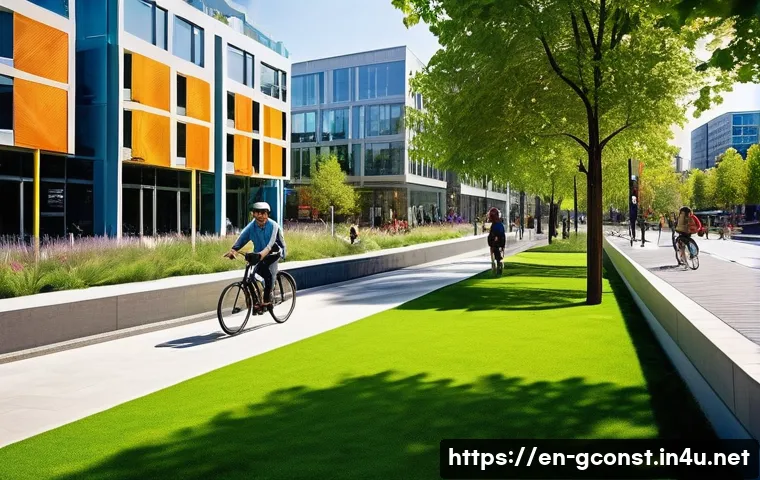
Good design can act as a catalyst for human connection. I’ve noticed how public seating arrangements that encourage face-to-face interaction, or accessible play areas that bring parents and children together, can transform a sterile space into a lively community hub. It’s about breaking down social barriers and creating ‘third places’ – not home, not work – where people can simply be themselves and connect with others. These spaces are incredibly valuable for mental well-being and reducing feelings of isolation, which are increasingly prevalent in modern urban life.
Equitable Access to Green and Blue Spaces
The concept that everyone, regardless of their income or where they live, deserves access to nature’s benefits is gaining significant traction. I’ve seen initiatives to convert neglected industrial waterways into accessible ‘blue’ corridors for recreation, and to strategically place parks in underserved neighborhoods. It’s about rectifying past inequalities and ensuring that the health benefits of green and blue spaces – from improved air quality to stress reduction – are available to all. This commitment to environmental justice is a cornerstone of truly sustainable urban development.
| Material | Key Benefit | Typical Application | My Takeaway |
|---|---|---|---|
| Mycelium Bricks | Biodegradable, excellent insulation, uses agricultural waste | Non-load bearing walls, acoustic panels, insulation | Surprisingly strong and lightweight; feels like building with nature’s foam. |
| Hempcrete | Carbon negative, superior thermal and humidity regulation | Walls, insulation, flooring | Creates a wonderfully breathable and healthy indoor environment. |
| Cross-Laminated Timber (CLT) | High strength-to-weight ratio, renewable resource, carbon sequestration | Structural elements, walls, floors for multi-story buildings | Revolutionizing timber construction; feels incredibly solid and warm. |
| Recycled Plastics | Reduces landfill waste, versatile, often durable | Pavers, roofing tiles, insulation, non-structural elements | Seeing plastic waste transformed into beautiful, functional components is truly inspiring. |
Smart Cities, Smarter Living: Technology’s Role in Eco-Development
It’s easy to get caught up in the physical aspects of sustainable building, but the digital revolution is playing an equally crucial role in shaping our eco-future. I’ve been absolutely captivated by how technology is being leveraged to make our cities not just greener, but genuinely smarter and more efficient. Think about advanced sensor networks that monitor everything from air quality and traffic flow to waste levels in public bins, providing real-time data that urban planners can use to optimize resource allocation and improve service delivery. I recall reading about a city in Europe that uses smart streetlights that dim when no one is around and brighten when movement is detected, dramatically reducing energy consumption. It’s not just about flashy gadgets; it’s about intelligent infrastructure that seamlessly integrates into our daily lives, often without us even realizing it. From smart water management systems that detect leaks instantly, preventing massive waste, to predictive maintenance for public transportation that keeps systems running smoothly, these technological innovations are creating a more resilient and responsive urban fabric. What I find most exciting is the potential for these interconnected systems to foster greater citizen engagement. Imagine an app that shows you the cleanest routes for walking or cycling based on real-time pollution data, or a platform where residents can report issues directly to city services, contributing to a more responsive and efficient urban environment. This isn’t just about efficiency; it’s about creating a living, breathing urban ecosystem that learns and adapts, making life better for everyone. The data-driven insights allow us to make more informed decisions, pushing us towards truly optimized and sustainable urban operations.
The Internet of Things for Urban Efficiency
The IoT (Internet of Things) is no longer a futuristic concept; it’s here, and it’s transforming cities. Devices embedded with sensors are generating vast amounts of data that can be used to optimize everything from energy use in buildings to waste collection routes. I’ve personally experimented with smart home devices that learn my habits and adjust lighting and temperature accordingly, resulting in significant energy savings. Scaling this up to city level offers immense potential for reducing resource consumption and improving urban logistics, making our daily lives smoother and more eco-friendly.
Data-Driven Decisions for a Greener Tomorrow
The beauty of smart city technology lies in its ability to provide actionable insights. By collecting and analyzing data on everything from energy consumption patterns to public transport usage, cities can make far more informed decisions about infrastructure investments and policy changes. I’ve seen examples where cities used traffic data to redesign intersections, significantly reducing idling times and associated emissions. This data-driven approach moves us beyond guesswork, enabling a more precise, effective, and ultimately sustainable form of urban planning and management.
The Human Touch: Designing for Well-being and Connection
While all the technological advancements and innovative materials are absolutely thrilling, I truly believe that at the heart of any truly sustainable future, we must always remember the profound human element. It’s not enough to build technically green buildings or efficient smart cities if they don’t ultimately enhance the well-being and foster genuine connection among the people who live within them. This is where the concept of designing for human experience comes into play, and I find it to be one of the most critical, yet often overlooked, aspects of sustainable development. Imagine spaces that intentionally reduce stress, promote physical activity, and encourage social interaction simply through their thoughtful layout and aesthetic appeal. I’ve personally walked into offices designed with abundant natural light, biophilic elements like living walls, and ergonomic, flexible workspaces, and the difference in atmosphere compared to a traditional, sterile office environment is simply night and day. There’s a palpable sense of calm, increased productivity, and a general feeling of happiness that emanates from such spaces. It’s about understanding that our built environment profoundly impacts our mental and physical health. This includes everything from ensuring access to fresh air and natural views to creating public spaces that feel safe, welcoming, and inspiring. It’s about designing for all ages and abilities, ensuring inclusivity and a sense of belonging for every resident. When we prioritize the human experience, we’re not just creating sustainable infrastructure; we’re cultivating thriving communities where people can genuinely flourish. The most successful sustainable projects I’ve observed always have this deep understanding of human needs at their core, proving that true sustainability is as much about the soul of a place as it is about its ecological footprint.
Biophilic Design: Bringing Nature Indoors
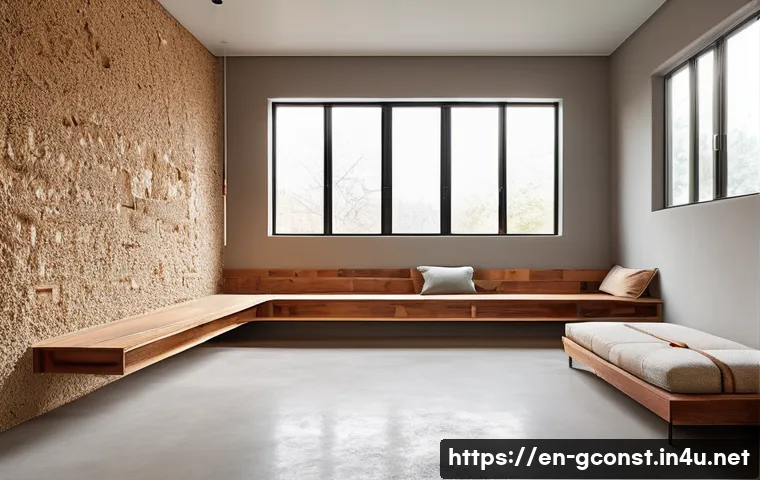
Biophilic design is all about connecting humans with nature in the built environment, and its impact on our well-being is undeniable. Think about abundant natural light, views of greenery, the presence of natural materials like wood and stone, and even the subtle sounds of water. I’ve experienced the incredible calming effect of working in a space that incorporates these elements, noticing reduced stress and improved focus. It’s not just an aesthetic trend; it’s a fundamental understanding that humans thrive when they feel connected to the natural world, even within urban settings. It’s about creating environments that literally soothe and invigorate us.
Creating Spaces for Social Interaction
Beyond individual well-being, sustainable design also prioritizes fostering strong social bonds. This means creating inviting public squares, shared community gardens, and accessible common areas where people can gather, relax, and interact. I’ve seen how a well-designed plaza can transform a drab city block into a vibrant hub of activity, encouraging impromptu conversations and strengthening neighborhood ties. These communal spaces are essential for building resilient communities, fostering a sense of belonging, and combating urban isolation, which are vital components of a truly sustainable future where people are at the heart of it all.
글을 마치며
As we wrap up this incredible journey through the future of sustainable living and design, I truly hope you’ve felt the same surge of excitement and optimism that I do. It’s genuinely inspiring to see how we’re moving beyond mere “green washing” towards deeply integrated, holistic approaches that not only respect our planet but also profoundly enhance our daily lives. From buildings that breathe and materials that heal, to cities designed for human flourishing and technologies that intelligently power our future, the landscape of architecture and urban planning is undergoing a breathtaking transformation. It really feels like we’re on the cusp of creating environments that are not just sustainable, but truly regenerative, vibrant, and deeply connected to both nature and humanity. This isn’t just a trend; it’s a fundamental shift in how we envision our relationship with the world around us, and I’m absolutely thrilled to be a part of it, sharing these insights with you.
알아두면 쓸모 있는 정보
1. Start Small, Think Big: You don’t need to build a new eco-friendly home overnight! Begin by integrating small sustainable practices into your current living space. Simple changes like composting, investing in energy-efficient appliances, or even adding more indoor plants can make a significant difference. Every conscious choice contributes to a larger, more impactful movement towards sustainability. It’s about building habits that last and inspire others around you, showing that impactful change starts right where you are.
2. Embrace Biophilic Elements at Home: Bring the calming power of nature indoors. Incorporate natural materials like wood or stone, maximize natural light with sheer curtains or open blinds, and fill your home with a variety of houseplants. Creating a mini-oasis in your living space can drastically improve your mood, reduce stress, and even boost your productivity, connecting you to the natural world even in an urban setting. I’ve personally found that even a small indoor herb garden can bring immense joy and a sense of freshness!
3. Support Local and Circular Economies: When shopping for home goods or even considering renovation projects, prioritize businesses that champion recycled, upcycled, or locally sourced materials. Look for products designed for longevity and eventual reuse. By supporting these ventures, you’re not just making a purchase; you’re actively investing in a sustainable supply chain and helping to close the loop on waste. It’s a powerful way to vote with your wallet and foster a more responsible marketplace.
4. Engage with Your Community: Sustainable living isn’t just about individual actions; it’s a collective effort. Seek out local community gardens, environmental groups, or urban planning discussions in your area. Participating in these initiatives not only helps drive broader change but also fosters invaluable connections with like-minded individuals, creating a stronger, more resilient community for everyone. Trust me, the sense of camaraderie and shared purpose is incredibly rewarding!
5. Stay Informed and Inspired: The world of sustainable design is constantly evolving with groundbreaking innovations. Follow blogs, podcasts, and reputable organizations focused on eco-friendly architecture, biomimicry, and smart city development. Staying curious and informed will empower you to make better choices and continue advocating for a greener, healthier future. There’s always something new and exciting to learn, and keeping up with the latest advancements makes the journey even more fascinating!
중요 사항 정리
In essence, our journey towards truly sustainable living and design is a multifaceted one, gracefully weaving together nature-inspired innovation, cutting-edge technological advancements, and a profound commitment to human well-being. We’ve seen how integrating ecological principles into our buildings, embracing materials that actively regenerate our planet, and reimagining our cities as breathable, connected ecosystems are not just aspirational ideals, but very achievable realities. Furthermore, by leveraging smart technologies and, crucially, placing the human experience at the very core of all our design decisions, we are collectively crafting a future where our built environments don’t just exist but actively contribute to a happier, healthier, and more harmonious world for all of us. This transformation truly feels like a shared adventure, and every single step we take, no matter how seemingly small, moves us closer to that breathtaking vision of a vibrant, thriving planet.
Frequently Asked Questions (FAQ) 📖
Q: I’m really curious about these “innovative eco-friendly building materials” you mentioned. What are some of the most exciting ones making waves right now, and how exactly are they changing how we construct our spaces?
A: Oh, this is one of my favorite topics to gush about! It’s truly incredible what engineers and scientists are coming up with. We’re talking about materials that are not just “less bad” for the environment, but actively beneficial.
For example, Cross-Laminated Timber (CLT) is a total game-changer. It’s engineered wood that’s super strong, beautiful, and get this – it actually stores carbon throughout a building’s lifetime, which is a huge win for reducing our carbon footprint compared to traditional materials like concrete or steel.
I’ve seen some stunning high-rises built with CLT, and they feel so warm and inviting, truly blurring the lines between nature and urban living. Then there’s the buzz around self-healing concrete, which sounds like something out of a sci-fi movie, right?
This stuff uses embedded agents or even bacteria to automatically seal cracks, extending the lifespan of structures and dramatically reducing maintenance needs.
Imagine not having to constantly repair concrete! And have you heard about hempcrete? It’s a mixture of hemp fibers, lime, and water, and it’s fantastic for insulation.
It’s lightweight, fire-resistant, and can even sequester carbon over time. When I first learned about it, I was blown away by how a plant could offer such robust construction capabilities.
We’re also seeing more carbon-capturing concrete that absorbs CO2 during its curing process, and things like mycelium-based products derived from mushroom root networks – imagine building blocks that are compostable and low-impact!
It’s truly a paradigm shift, where our buildings are becoming active participants in a healthier planet.
Q: The idea of cities becoming “vibrant, breathable ecosystems” sounds amazing! Can you give us some real-world examples of what that actually looks like and how it’s being implemented in urban planning today?
A: Absolutely! This concept is what truly excites me about the future of our urban landscapes. It’s not just about adding a few trees; it’s about fundamentally integrating nature into every aspect of city life.
Take “The Edge” in Amsterdam, for example. It’s often called one of the greenest office buildings in the world, powered largely by solar panels and smart systems, making it a global model for sustainable urban planning.
When you step into buildings like this, you can genuinely feel the difference in air quality and overall ambiance. Another incredible example is Bosco Verticale (Vertical Forest) in Milan.
These residential towers are literally covered in lush vegetation, turning skyscrapers into living, breathing green spaces that combat air pollution and reduce the urban heat island effect.
It’s a stunning sight and a powerful testament to how biodiversity can thrive in dense urban cores. I remember seeing photos of it and thinking, “Wow, this is what a city should feel like!” We’re also seeing initiatives like Seoullo 7017 in Seoul, which transformed an old highway into a vibrant elevated linear park, enhancing green space and pedestrian connectivity.
And then there’s Masdar City in Abu Dhabi, a pioneering project designed to be carbon-neutral and zero-waste, relying entirely on renewable energy. These places aren’t just dreams; they’re tangible realities proving that we can design cities where nature isn’t just an afterthought, but a foundational, flourishing element for human well-being.
Q: Beyond the obvious environmental benefits, how can embracing sustainable building and urban design positively impact my daily life, my health, or even my wallet? I’m looking for those practical, personal perks!
A: That’s a fantastic question, and it’s where the rubber truly meets the road for most of us! While the environmental impact is huge, the personal benefits of sustainable building and urban design are often overlooked, but they’re incredibly significant.
First off, let’s talk about your health. I’ve personally found that living and working in green buildings dramatically improves my well-being. These buildings are designed with superior indoor air quality, often having lower concentrations of CO2 and harmful volatile organic compounds (VOCs).
This means fewer sick days, reduced allergy symptoms, and honestly, just feeling more awake and focused. Studies even show people in green, well-ventilated offices experience a 101% increase in cognitive scores!
Plus, with better access to natural light and outdoor views, you sleep better, and who doesn’t want that? From a financial perspective, green buildings are a smart long-term investment.
While they might have a slightly higher upfront cost, they are far more efficient to operate. Think significantly lower utility bills thanks to advanced insulation, energy-efficient appliances, and smart technologies that optimize heating, cooling, and lighting.
I’ve spoken to countless homeowners and businesses who’ve seen their energy consumption plummet, saving them a pretty penny each month. Moreover, green urban planning often means more walkable neighborhoods, expanded public transit options, and abundant green spaces like parks and community gardens.
This isn’t just good for the planet; it saves you money on transportation, boosts your physical activity, reduces stress, and fosters a stronger sense of community.
It’s about creating environments where we can genuinely thrive, both physically and financially.