Hey there, fellow sustainability champions and future builders! Have you ever looked at a city skyline and wondered what it would take to make it truly green?
I know I do, especially lately as I’ve been diving deep into the incredible world of eco-friendly construction and the ambitious goal of building carbon-neutral cities.
It’s not just a pipe dream anymore; it’s becoming our reality, driven by brilliant minds and cutting-edge innovations that are completely transforming how we think about our urban spaces.
What if our homes actually generated their own power, or if our daily commutes contributed zero emissions? Imagine cities where the air is cleaner, buildings are healthier, and every new development pushes us closer to a truly sustainable future.
I’ve been so excited by the latest trends, from advanced materials like carbon-sequestering concrete and bio-based insulation to the revolutionary impact of AI and modular construction methods.
Even governments are stepping up, with cities worldwide racing to hit net-zero targets, many as early as 2030, thanks to initiatives like the EU’s Cities Mission.
This isn’t just about being “nice to the planet”; it’s about creating resilient, cost-efficient, and vibrant communities where we all thrive. I’ve personally been fascinated by how these changes are not only reducing our environmental footprint but also driving massive economic growth and creating healthier living environments.
It’s a huge shift, but one that feels incredibly urgent and full of potential. So, if you’re ready to explore the exciting innovations and smart strategies that are shaping tomorrow’s urban landscapes and the role of eco-friendly construction, let’s dive into the details below!
Revolutionizing Our Urban Fabric: The Eco-Construction Boom
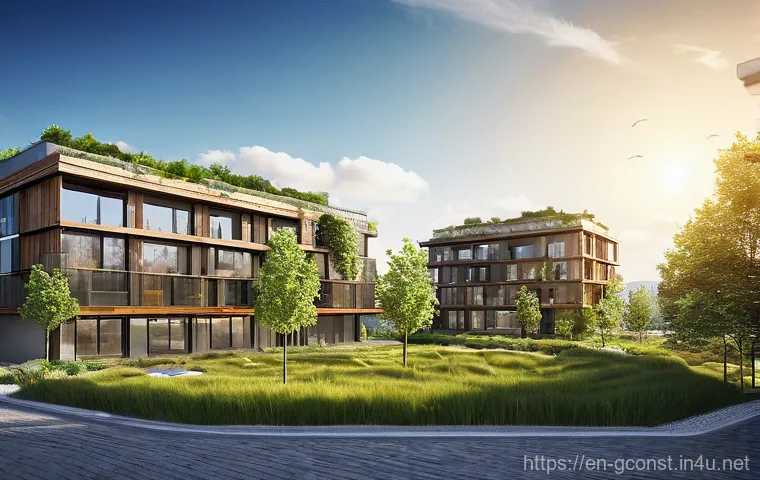
It’s genuinely incredible how quickly the construction industry is shifting gears, isn’t it? For years, building things felt like it was always at odds with the planet, but now, walking through a city that’s embracing eco-friendly construction, I can almost feel the difference in the air. We’re not just putting up structures anymore; we’re crafting environments that work with nature, not against it. What truly excites me is seeing how these changes aren’t just good for the environment, but they’re creating healthier, more livable spaces for us all. It’s a total game-changer, and honestly, it makes me so hopeful for the future of our urban centers. From the materials we choose to the entire process of how a building comes to life, sustainability is finally taking center stage, driven by both brilliant minds and everyday folks who simply want better for their communities.
The Rise of Green Materials: Building Smarter from the Ground Up
One of the biggest shifts I’ve personally witnessed, and something I’m always eager to learn more about, is the explosion of innovative green building materials. Forget the old concrete jungle; we’re talking about materials that actively help the planet. Think about carbon-sequestering concrete, for instance. It sounds like something out of a sci-fi movie, right? But it’s real! New technologies are allowing us to inject CO2 into concrete during mixing or curing, effectively trapping carbon that would otherwise be released into the atmosphere, and in some cases, even improving the concrete’s strength and cure time. I mean, how cool is that? This means our buildings aren’t just standing there; they’re becoming active participants in fighting climate change. Then there are the bio-based insulation materials – things like hempcrete, cork, sheep’s wool, mycelium, and even recycled wood fibers. These aren’t just buzzwords; they’re incredibly effective at thermal insulation, moisture control, and often have a significantly lower carbon footprint than traditional options. I’ve been reading up on nanocellulose aerogels lately, too; they’re showing incredible promise for insulation with superior thermal performance and even enhanced fire safety. It’s genuinely exciting to see how nature itself is inspiring our next generation of building blocks.
Modular Construction: Efficiency, Sustainability, and Speed
And let’s not forget about modular construction! I’ve been following this trend closely, and it just makes so much sense. Instead of building everything on-site, which often leads to tons of waste and logistical nightmares, parts of buildings are manufactured in controlled factory environments. This approach drastically reduces construction waste—by up to 90% in some cases, according to the Modular Building Institute. Less waste means fewer emissions and a smaller carbon footprint overall. Plus, the precision manufacturing means better insulation and sealing, which translates directly into more energy-efficient buildings once they’re assembled. I’ve seen some stunning examples where entire structures are put together in a fraction of the time, with less disruption to surrounding communities. It’s faster, more cost-effective, and much kinder to our planet. It truly feels like the smart way to build for a sustainable future.
Smart Cities: Where Technology Meets Green Living
Stepping into a truly ‘smart’ city is like experiencing the future, today. It’s not just about flashy gadgets; it’s about seamlessly integrating technology to make urban living genuinely sustainable and, frankly, a lot more pleasant. I’m talking about cities that breathe easier, move smarter, and even manage their own resources with incredible efficiency. It’s a holistic approach that truly excites me, showing how interconnected all these sustainable efforts really are. From managing traffic to optimizing energy use, these innovations are changing our daily lives for the better, often in ways we don’t even consciously notice until we realize how much smoother things are running.
AI’s Role in Sustainable Design and Operations
Artificial Intelligence is no longer just a buzzword; it’s becoming an indispensable tool in creating these carbon-neutral urban landscapes. I’ve been fascinated by how AI is being used from the very first blueprint. Architects are now leveraging AI systems to design buildings that minimize waste, maximize energy efficiency, and optimize energy consumption even before construction begins. Imagine software that can simulate thousands of design variations, helping choose the most energy-efficient configurations, or tools that predict energy demand patterns to optimize renewable energy integration. It’s astounding! Beyond design, AI powers smart grids, analyzing real-time urban data to predict peak energy loads and adjust power distribution from renewable sources, reducing our reliance on fossil fuels. And for existing buildings, AI-driven predictive maintenance can foresee when HVAC systems might fail, allowing for timely repairs and extending the lifespan of components, saving both resources and money. It’s about being proactive, not reactive, which is a massive leap forward.
Intelligent Infrastructure for a Healthier City
Beyond individual buildings, smart city technologies are weaving sustainability into the very fabric of urban infrastructure. Think about intelligent transportation systems (ITS). Smart traffic lights use real-time data to adjust timings, drastically reducing congestion, commute times, and vehicle emissions. I’ve personally experienced how much calmer a commute can be when traffic flows smoothly, and knowing it’s also reducing pollution is a huge bonus. Connected public transport, with IoT-enabled buses and trains, provides real-time information, improving efficiency and the overall passenger experience. Then there’s smart waste management: bins equipped with sensors that notify services when they’re full, optimizing collection routes and reducing overflow and litter. Some cities are even using AI and robotics for automated waste sorting, increasing recycling rates and reducing landfill burden. These aren’t just conveniences; they are critical components in minimizing our environmental footprint and making our cities genuinely healthier, more pleasant places to live.
The Green Investment: More Than Just Eco-Friendly
When I first started looking into sustainable development, I admit I was mostly focused on the environmental impact. But what really blew me away was discovering the compelling financial case for going green. It’s not just about doing good; it’s about making smart economic decisions that benefit everyone involved, from developers and investors to the people who live and work in these buildings every day. It’s a win-win situation, and frankly, I think it’s one of the most powerful arguments for accelerating our transition to a greener built environment. The ripple effect of these financial benefits throughout the community is something I find particularly fascinating.
Significant Cost Savings and Enhanced Asset Value
The initial investment in green buildings can sometimes be a little higher, as some studies suggest a 3-5% increase in construction costs compared to conventional buildings. However, this upfront expense is quickly recouped, and then some, through substantial long-term savings. We’re talking about green buildings reducing energy consumption by 30-50%, leading to significantly lower utility bills over the building’s lifecycle. Water-saving fixtures and recycling systems also drastically cut water usage and costs. Beyond operational savings, green-certified properties often command higher rental premiums (up to 15%) and resale values (10-20% higher than non-certified counterparts), demonstrating increased marketability and a stronger return on investment. It makes perfect sense, doesn’t it? People are increasingly willing to pay more for healthier, more efficient spaces.
Healthier Spaces, Happier Occupants, Higher Productivity
This is an aspect I truly appreciate on a personal level. Green buildings aren’t just good for your wallet and the planet; they’re profoundly better for our well-being. Improved indoor air quality, natural light, and better temperature control in green buildings lead to reduced absenteeism and increased productivity for workers. For residents, it means enhanced comfort and satisfaction, which can lead to higher tenant retention in residential properties. When you’re in a space that feels good, you perform better, you’re happier, and you’re healthier. This human-centric benefit is often overlooked but, in my opinion, it’s one of the most compelling reasons to embrace green building practices. It’s an investment in people, and that’s always a worthwhile one.
Governments and Communities Driving the Net-Zero Mission
It’s truly inspiring to see how much governments and communities worldwide are stepping up, setting ambitious goals and implementing policies that are really pushing the needle towards carbon-neutral cities. This isn’t just about individual efforts anymore; it’s a collective, global movement, and the sheer momentum behind it is palpable. From large-scale initiatives to local grassroots projects, there’s a growing understanding that collaboration is key to transforming our urban landscapes. I’ve always believed that real change happens when everyone gets involved, and this global push for net-zero living is a perfect example of that powerful synergy. It shows that when we work together, incredible things can happen.
Ambitious Targets and Supportive Policies
Many cities are racing to hit net-zero targets, some as early as 2030, which is an incredibly ambitious but necessary goal. A fantastic example is the EU’s Mission “100 Climate-Neutral and Smart Cities by 2030,” which aims to turn these cities into experimentation and innovation hubs for all European cities to follow suit by 2050. This isn’t just talk; these cities are developing “Climate City Contracts” that detail comprehensive plans for climate neutrality across all sectors, including energy, buildings, waste, and transport. Beyond Europe, initiatives like Australia’s Net Zero Cities Action Plan provide frameworks and policy recommendations to decarbonize cities across seven key systems: energy, transport, buildings, water, waste, food, and green infrastructure. These policies, whether through building codes, tax incentives, or funding for pilot projects, are essential in creating the supportive environment needed for widespread sustainable adoption.
Real-World Success Stories: Learning from the Leaders
Looking at cities that are already making huge strides gives me so much hope. Take Copenhagen, for instance, which has seen substantial reductions in carbon emissions and energy consumption, with over 40% of commutes done by bicycle. Freiburg, Germany, another trailblazer, has focused on extensive use of solar energy, sustainable transportation, and green spaces, coupled with energy-efficient buildings. And Stockholm, with its emphasis on green transportation networks and robust water management systems, is a prime example of sustainable urban redevelopment. These aren’t just isolated projects; they are blueprints for a future where urban living and environmental stewardship go hand-in-hand. I often find myself looking at these cities and thinking, “If they can do it, why can’t we all?” These examples aren’t just inspiring; they provide practical, proven pathways for others to follow.
Innovations That Are Shaping Tomorrow’s Cities
It’s truly exhilarating to think about the sheer ingenuity that’s being poured into making our cities not just greener, but fundamentally better places to live. When I look at the rapid advancements in materials and construction techniques, it’s clear we’re on the cusp of something extraordinary. We’re moving beyond just reducing harm; we’re actively creating environments that are restorative and regenerative. This proactive approach, leveraging cutting-edge science and technology, is what truly sets this current wave of innovation apart. It really feels like we’re reimagining the very essence of urban design from the ground up, embracing solutions that were once considered futuristic but are now becoming our present reality.
Advancements in Carbon-Capturing Materials
The quest for materials that do more than just build is leading to some amazing breakthroughs. We’ve already touched on carbon-sequestering concrete, where technologies like CarbonCure™ inject mineralized CO2 into concrete mixes, not only reducing cement volume but also improving strength and permanently locking away carbon. But it doesn’t stop there! Researchers are exploring bio-cement where microalgae, called coccolithophores, are used to grow limestone that sequesters carbon dioxide through photosynthesis, creating a net carbon-neutral or even carbon-negative way to produce cement. Imagine buildings made of materials that literally absorb pollution as they stand! There are also exciting developments in using industrial byproducts like fly ash or slag in concrete mixes, further reducing the need for virgin materials and cutting down on embodied carbon. These innovations are turning traditional construction challenges into powerful environmental solutions, which is a concept I find incredibly exciting.
Embracing the Circular Economy in Construction
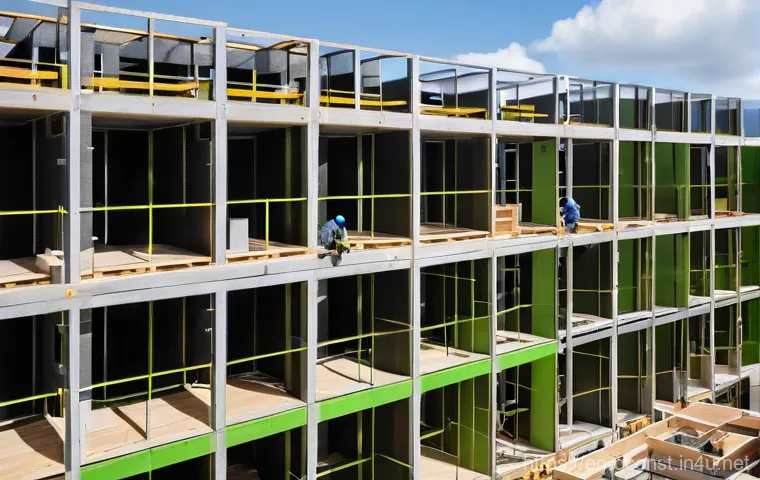
One trend that truly resonates with my own values is the strong push towards a circular economy within construction. This means moving away from the old “take-make-dispose” model and embracing a cycle of reducing, reusing, and recycling at every stage. Modular construction plays a huge role here, with components designed for easier deconstruction and reuse. We’re seeing more and more companies reclaim materials like wood, steel, and even crushed glass, giving them new life in fresh projects. For instance, recycled glass is being used in everything from concrete aggregates to countertops. This focus on keeping materials in use for as long as possible not only minimizes landfill waste but also drastically reduces the demand for energy-intensive virgin materials. It’s about designing for longevity and adaptability, creating buildings that can evolve rather than be torn down, and fostering an industry that is inherently less wasteful.
Building a Resilient Tomorrow: Holistic Urban Development
It’s clear that the future of our cities isn’t just about individual green buildings; it’s about a deeply integrated, holistic approach to urban development that considers every aspect of how we live, work, and thrive. I’ve come to realize that resilience is key – building cities that can withstand environmental stresses, adapt to change, and genuinely improve the quality of life for everyone. This interconnectedness is truly the magic ingredient. When every part of the urban system works in harmony, we unlock a potential that goes far beyond simply being “eco-friendly” to creating vibrant, sustainable ecosystems that nurture both people and the planet. It’s an exciting vision, and one that I believe we are increasingly capable of achieving.
Integrating Green Spaces and Blue-Green Infrastructure
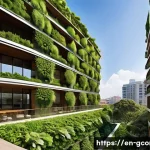
I’m a huge advocate for bringing nature back into our urban environments. It’s not just pretty; it’s vital for a city’s health and resilience. We’re seeing an inspiring movement towards integrating more green spaces, like urban parks and community gardens, into city planning. Beyond aesthetics, these green areas improve air quality, enhance biodiversity, and offer essential recreational spaces. Even more exciting is the rise of “blue-green infrastructure” – things like green roofs, permeable pavements, and bio-swales. Green roofs, for example, provide insulation, filter air, and actively combat the “heat island effect” that makes cities so much hotter than rural areas. Bio-swales help manage stormwater runoff, preventing flooding and replenishing groundwater. These natural solutions are ingenious because they solve multiple problems at once, creating urban environments that are more comfortable, resilient, and simply more enjoyable to be in.
The Human Element: Community, Health, and Wellbeing
Ultimately, all these innovations, technologies, and policies boil down to one thing: creating better lives for people. I’ve always felt that sustainable development isn’t just about the environment, but about human well-being. Communities like Quarter Vauban in Freiburg, Germany, exemplify this, with a strong emphasis on liveability, citizen empowerment, and car-free zones that encourage walking and cycling. The Dutch GWL area in Amsterdam, another inspiring example, offers dense, car-free living with ample space for community gardening. These projects show that when we design cities with people at their heart – focusing on health, social connection, and access to nature – we build places where everyone can truly thrive. It’s about fostering a sense of community, ensuring clean air and water, and promoting active, healthy lifestyles. That, to me, is the true measure of a successful, sustainable city.
Future-Proofing Our Investments: Economic Advantages of Green Practices
Let’s be honest, in the world of construction and urban planning, the bottom line is always a major factor. And what I’ve discovered, through both my research and watching the industry evolve, is that investing in green practices isn’t just a nice-to-have; it’s becoming a financially savvy decision. The days of sustainable building being seen as an expensive luxury are quickly fading. We’re now seeing concrete evidence that these choices not only benefit the planet but also offer significant economic advantages, making them a smart bet for developers, businesses, and homeowners alike. It truly reshapes the conversation, proving that sustainability and profitability can, and should, go hand-in-hand.
Long-Term Value and Market Appeal
Beyond the immediate operational savings, green buildings are proving to be excellent long-term investments. They often have higher property values, attracting premium tenants and buyers who are increasingly prioritizing sustainability. For developers, this means faster lease-up rates and stronger market positioning. Plus, as regulations tighten around environmental performance, owning green-certified buildings offers a built-in advantage, reducing risks associated with future compliance costs. It’s about building assets that are future-proof, maintaining their value and appeal in an increasingly environmentally conscious market. From my perspective, it’s a clear indication that the market is finally catching up to the environmental imperative, and it’s about time!
Incentives and Funding for a Greener Tomorrow
Another exciting development is the growing array of incentives and funding opportunities available for green construction. Governments and local authorities worldwide are recognizing the importance of sustainable development and are actively supporting it through various programs. We’re seeing tax breaks, subsidies, and even dedicated grants for projects that meet certain green building standards. For example, the EU Mission for “100 Climate-Neutral and Smart Cities by 2030” specifically aims to facilitate access to public and private funding for cities committed to climate neutrality. These financial boosts make the decision to go green even more appealing, helping to bridge any initial cost gaps and accelerating the adoption of sustainable practices across the board. It truly feels like a supportive ecosystem is developing to foster this vital transformation.
Transformative Technologies at Our Fingertips
It’s truly exhilarating to think about the sheer ingenuity that’s being poured into making our cities not just greener, but fundamentally better places to live. When I look at the rapid advancements in materials and construction techniques, it’s clear we’re on the cusp of something extraordinary. We’re moving beyond just reducing harm; we’re actively creating environments that are restorative and regenerative. This proactive approach, leveraging cutting-edge science and technology, is what truly sets this current wave of innovation apart. It really feels like we’re reimagining the very essence of urban design from the ground up, embracing solutions that were once considered futuristic but are now becoming our present reality.
Digitizing Construction for Peak Efficiency
Beyond just green materials, the very process of construction is getting a high-tech makeover, and it’s all about efficiency. Building Information Modeling (BIM) combined with AI, for example, allows for incredible visualization and planning, helping to identify potential issues and optimize material use before construction even begins. I’ve seen how this can drastically reduce waste and prevent costly, time-consuming errors on site. It’s like having a crystal ball for your construction project! Digital tools are also streamlining supply chains, ensuring that materials are sourced sustainably and transported efficiently, cutting down on emissions and logistical headaches. This digitalization of construction isn’t just about speed; it’s about precision, reducing our environmental footprint at every single step, from design to delivery.
The Power of Data in Urban Management
Imagine a city that constantly learns and optimizes itself. That’s the reality being built with the power of data. Smart sensors, IoT devices, and advanced analytics are collecting real-time information on everything from air quality and traffic flow to energy consumption and waste levels. This data isn’t just sitting there; it’s being used to make intelligent, proactive decisions. For example, in Oslo, smart streetlights adjust intensity based on real-time needs, saving energy and improving safety. In San Francisco, smart bins reduce waste overflow by notifying collection services when they’re full, leading to more efficient routes and cleaner streets. This data-driven approach allows urban planners to fine-tune systems, respond to challenges faster, and continuously improve the city’s environmental performance and livability. It’s about creating a truly responsive urban ecosystem.
| Benefit Category | Description | Impact |
|---|---|---|
| Environmental Impact | Reduced greenhouse gas emissions, decreased waste generation, conservation of natural resources. | Cleaner air and water, healthier ecosystems, slower climate change. |
| Economic Advantages | Lower operational costs (energy, water), higher property values, increased marketability, financial incentives. | Improved ROI for developers, lower bills for occupants, resilient investments. |
| Health & Wellbeing | Improved indoor air quality, enhanced natural light, better thermal comfort, reduced noise pollution. | Increased productivity, fewer health issues, greater occupant satisfaction, better quality of life. |
| Resource Efficiency | Optimized material use, modular construction, advanced recycling, circular economy principles. | Less waste sent to landfills, reduced demand for virgin materials, extended material lifecycles. |
Closing Thoughts
It’s genuinely inspiring, isn’t it? To see how far we’ve come in reimagining our cities, moving from a mindset of simply building to one of conscious, sustainable creation. The journey towards eco-friendly urban living and net-zero cities isn’t just a dream anymore; it’s a tangible reality that we’re actively shaping together. I feel incredibly optimistic witnessing the collective effort from innovators, governments, and communities, all working towards a future where our urban environments truly thrive in harmony with the planet. It’s a powerful testament to what we can achieve when we prioritize both progress and preservation.
Useful Information to Keep in Mind
1. Explore Local Green Initiatives: Many cities offer programs or incentives for residents and businesses looking to adopt sustainable practices, from solar panel rebates to composting services. A quick search for “green initiatives [your city/state]” can uncover valuable opportunities.
2. Consider Your Home’s Energy Footprint: Even small changes, like switching to LED lighting, optimizing your thermostat settings, or ensuring good insulation, can significantly reduce your household’s energy consumption and utility bills.
3. Embrace Public Transport or Active Commuting: Whenever possible, opting for public transportation, cycling, or walking not only reduces your carbon footprint but can also lead to a healthier, more active lifestyle and less stressful commutes.
4. Support Green Businesses and Products: From choosing sustainable building materials for a renovation to buying from companies committed to eco-friendly production, your purchasing power can drive demand for a greener economy.
5. Stay Informed and Get Involved: The landscape of sustainable urban development is constantly evolving. Following trusted environmental news sources and local community groups can keep you updated on new technologies and ways to contribute to a greener future.
Key Takeaways
The eco-construction boom is rapidly transforming our urban landscapes, driven by innovative green materials, smart city technologies, and a growing understanding of the economic benefits of sustainability. This holistic approach, integrating green infrastructure and community well-being, is creating resilient, healthier, and more economically viable cities for everyone. It’s truly a win-win for both people and the planet, promising a brighter, greener future.
Frequently Asked Questions (FAQ) 📖
Q: What exactly does it mean for a city to be “carbon-neutral” or “climate-neutral,” and how is eco-friendly construction key to achieving this?
A: That’s a fantastic question, and one I get asked a lot! For me, a carbon-neutral city isn’t just a place that produces zero net carbon dioxide emissions; it’s a living, breathing ecosystem where everything from energy use to waste management is designed with the planet in mind.
Think of it like this: we’re talking about balancing the carbon we release into the atmosphere with an equal amount removed or offset. Some folks even talk about “climate neutrality” which takes it a step further to include all greenhouse gases, like methane, not just CO2.
Now, how does eco-friendly construction fit in? Oh, it’s absolutely foundational! Our buildings are massive energy guzzlers and material consumers.
When I first started looking into this, it really hit me how much of a difference sustainable building practices can make. It’s about constructing structures that are environmentally responsible and resource-efficient throughout their entire lifecycle.
This means everything from using materials that capture carbon or are made from recycled content, to designing buildings that need very little heating or cooling.
Imagine a home that generates all its own power, or an office building whose walls are made of hempcrete that actually stores CO2! This kind of construction is critical because it directly reduces the emissions generated by urban development and operation, laying the groundwork for a truly neutral city.
Q: What are some of the most exciting new materials and technologies that are making carbon-neutral cities a realistic goal?
A: This is where things get really exciting for me – the innovation is just incredible! When I first heard about some of these advancements, I was genuinely blown away.
We’re seeing a huge push in advanced materials. Take carbon-sequestering concrete, for example. Instead of just emitting CO2 during production, this stuff actually absorbs carbon, turning buildings into active carbon sinks.
It’s mind-blowing! Then there are bio-based insulation materials like hempcrete or grass fibers, which aren’t just fantastic insulators but also have a much lower environmental footprint than traditional options.
I’ve seen some fascinating examples of mass timber too, which offers a low-carbon alternative to steel and concrete, storing carbon captured during tree growth.
But it’s not just about what we build with; it’s how we build and how buildings operate. AI and smart building technologies are game-changers, optimizing energy use, managing waste, and improving overall efficiency in ways we couldn’t have imagined a decade ago.
And modular construction? That’s a genius move! Building components off-site means less waste, faster construction times, and better quality control.
These aren’t just futuristic concepts; they’re being implemented right now, and their collective impact is accelerating our journey towards genuinely green urban landscapes.
Q: Beyond environmental benefits, what are the tangible social and economic advantages for communities embracing eco-friendly construction and carbon-neutral city planning?
A: This is probably one of the most compelling aspects for me, because it’s not just about “saving the planet” – it’s about making our lives genuinely better, right now!
I used to think of sustainability primarily in environmental terms, but my experience has really opened my eyes to the incredible ripple effects it has on our daily lives and even our wallets.
First off, there’s a huge economic boost. Investing in green infrastructure and sustainable development creates a ton of new jobs in green industries – think renewable energy installation, manufacturing of eco-friendly materials, and specialized construction techniques.
Cities that embrace this are attracting investors and seeing increased economic stability. Plus, these practices often lead to significant cost savings in the long run.
Buildings designed for energy efficiency, with excellent insulation and renewable energy systems, mean drastically lower utility bills for residents and businesses.
Who doesn’t love that? But it’s the social benefits that truly resonate. Cleaner air and water, thanks to reduced emissions and better waste management, directly translate to healthier communities.
Imagine fewer respiratory issues and a general improvement in well-being! Green spaces, like parks and urban forests, are not just pretty; they improve air quality, reduce the “urban heat island” effect, and offer vital places for recreation and relaxation, fostering community connections and reducing stress.
It’s about creating cities that are more resilient, more equitable, and simply more enjoyable to live in for everyone. It’s a win-win-win!