Alright, let’s dive into the nitty-gritty of acing that Professional Engineer (PE) exam in Environmental Construction, shall we? I remember when I was prepping for mine; it felt like scaling Mount Everest in flip-flops!
You’re not alone if you’re feeling overwhelmed by the sheer volume of past papers and practice problems. Cracking these questions isn’t just about memorizing formulas—it’s about understanding the *why* behind them, especially with sustainability and eco-friendly practices becoming increasingly crucial in the field.
Plus, with the rise of BIM (Building Information Modeling) and advanced materials, the exam is subtly shifting to reflect these modern trends. So, it’s not just about knowing your stuff, but knowing the *new* stuff.
Let’s dig in and get a clearer picture of what you need to know. Let’s get a detailed look at it in the text below!
Okay, here’s the article:
Diving Deep into Water Treatment Processes
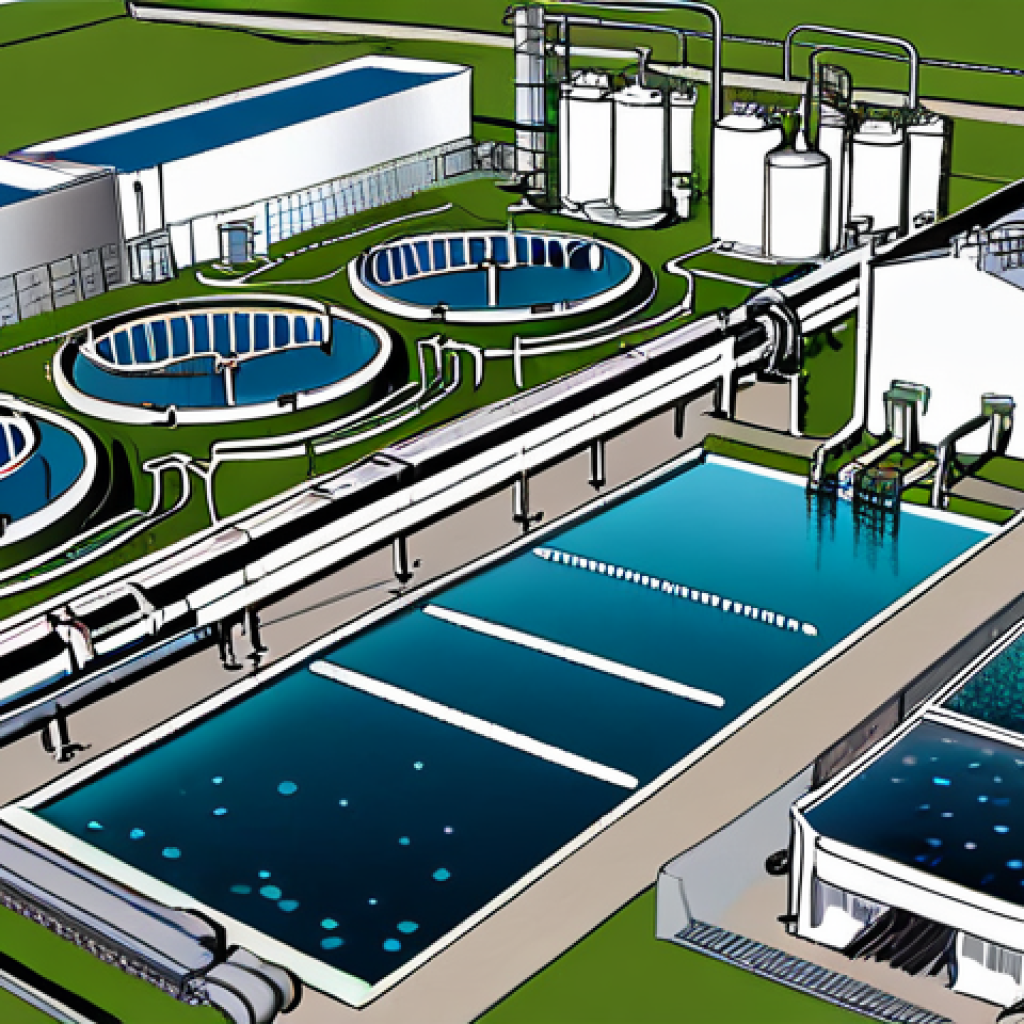
Water treatment is a cornerstone of environmental construction, and the PE exam frequently tests your understanding of various treatment methods. It’s not enough to simply know the processes; you need to understand their applications and limitations.
I remember one question that completely threw me off—it asked about the optimal pH for a specific coagulation process, and I realized I’d focused too much on the “what” and not enough on the “why.”
Deciphering Coagulation and Flocculation
Coagulation and flocculation are the foundational processes in removing suspended solids from water. The exam loves to throw scenarios at you involving different types of coagulants and their effectiveness under varying water conditions.
I’ve found that making a mental note of the optimal pH ranges for common coagulants (like alum and ferric chloride) is a lifesaver. Also, be prepared to discuss the impact of temperature and alkalinity on these processes.
Mastering Sedimentation and Filtration
Sedimentation and filtration go hand-in-hand with coagulation and flocculation. Think about it: you’ve clumped the particles together, now you need to get rid of them!
Sedimentation involves gravity settling, and the exam often includes questions about detention times and the design of sedimentation basins. Filtration, on the other hand, uses various media (like sand, gravel, and anthracite) to remove the remaining suspended solids.
Be prepared to discuss different types of filters (e.g., slow sand filters, rapid sand filters, and membrane filters) and their respective advantages and disadvantages.
Disinfection Dynamics: Chlorine, UV, and Ozone
Disinfection is the final step in water treatment, ensuring that harmful pathogens are eliminated before the water is distributed to consumers. Chlorine, UV radiation, and ozone are the most common disinfection methods, each with its own set of pros and cons.
Chlorine is cheap and provides residual disinfection, but it can also produce harmful disinfection byproducts (DBPs). UV radiation is effective against a wide range of pathogens and doesn’t produce DBPs, but it doesn’t provide residual disinfection.
Ozone is a powerful disinfectant, but it’s expensive and can also produce DBPs under certain conditions. Make sure you know the trade-offs and regulations surrounding each method!
Excavation and Soil Management: Staying Grounded
Excavation is the bread and butter of environmental construction. Knowing your soil mechanics is critical. I once botched a project because I underestimated the soil’s bearing capacity—costly lesson learned!
The PE exam will test your ability to calculate excavation volumes, select appropriate shoring systems, and manage soil erosion.
Soil Classification Systems: Decoding the Dirt
Understanding soil classification systems (like the Unified Soil Classification System, USCS) is essential for determining the properties of soil and its suitability for various construction purposes.
The exam will likely include questions about identifying soil types based on their grain size distribution, plasticity, and other characteristics.
Shoring Systems: Holding the Line
Shoring systems are used to support excavations and prevent soil collapse. There are various types of shoring systems, including sheet piling, soldier piles and lagging, and soil nailing.
The exam might ask you to select the appropriate shoring system for a given excavation scenario, considering factors like soil type, excavation depth, and groundwater conditions.
Erosion and Sediment Control: Keeping it Clean
Erosion and sediment control are crucial for protecting water quality during construction activities. The exam will test your knowledge of best management practices (BMPs) for controlling erosion and preventing sediment from entering waterways.
This includes things like silt fences, erosion control blankets, and sediment basins.
Navigating Air Quality Regulations and Control Technologies
Air quality regulations are constantly evolving, and the PE exam will expect you to be up-to-date on the latest requirements. Knowing the different types of air pollutants, their sources, and the technologies used to control them is vital.
Understanding Air Pollutants and Their Sources
The exam will test your knowledge of criteria air pollutants (like ozone, particulate matter, and sulfur dioxide) and hazardous air pollutants (HAPs).
You should be able to identify the major sources of these pollutants, such as industrial facilities, vehicles, and power plants.
Control Technologies: Scrubbers, Filters, and More
There are various technologies used to control air pollution, including scrubbers, filters, and catalytic converters. Scrubbers remove pollutants from exhaust gases by contacting them with a liquid.
Filters remove particulate matter from exhaust gases. Catalytic converters convert pollutants into less harmful substances. Be prepared to discuss the principles of operation, advantages, and disadvantages of each technology.
Waste Management Strategies: Reducing, Reusing, and Recycling

Waste management is a growing concern, and the PE exam will test your knowledge of sustainable waste management practices. This includes reducing waste generation, reusing materials, and recycling materials.
Landfill Design and Operation: Burying the Basics
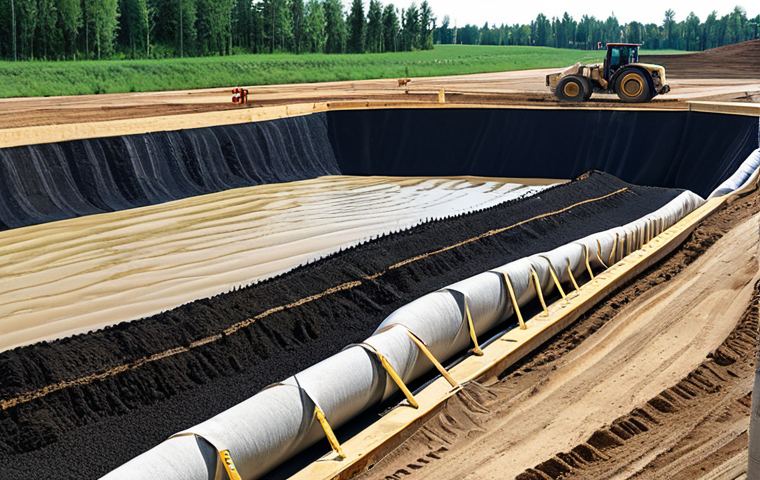
Landfills are still the most common method of waste disposal, but they must be designed and operated to minimize environmental impacts. The exam might include questions about landfill liner systems, leachate collection systems, and gas collection systems.
Incineration Technologies: Burning Issues
Incineration is a waste treatment technology that involves burning waste at high temperatures. Incineration can reduce the volume of waste and generate energy, but it can also release air pollutants.
The exam might ask you about the different types of incinerators and the air pollution control technologies used to minimize emissions.
Construction Site Stormwater Management
Managing stormwater runoff from construction sites is essential to prevent pollution of nearby water bodies. The PE exam will likely include questions on designing and implementing effective stormwater management plans.
You’ll need to understand concepts like runoff coefficients, detention basin sizing, and the use of various BMPs.
BMPs for Stormwater Control
BMPs are structural or non-structural measures designed to reduce the amount of pollutants in stormwater runoff. Common BMPs include:* Erosion control blankets: These are used to stabilize soil and prevent erosion on slopes.
* Silt fences: These are temporary barriers used to trap sediment. * Inlet protection: This involves installing filters or barriers around storm drain inlets to prevent sediment from entering the storm sewer system.
* Detention basins: These are designed to temporarily store stormwater runoff and release it slowly over time, reducing the peak flow rate and preventing flooding.
Understanding the strengths and limitations of each BMP is crucial.
Sustainable Materials and Green Building Practices
Sustainability is no longer a buzzword; it’s a core principle of modern environmental construction. The PE exam increasingly emphasizes sustainable materials and green building practices.
Life Cycle Assessment (LCA)
LCA is a technique used to evaluate the environmental impacts of a product or service over its entire life cycle, from raw material extraction to disposal.
The exam might ask you about the steps involved in LCA and how it can be used to compare the environmental performance of different materials or construction methods.
LEED Certification
LEED (Leadership in Energy and Environmental Design) is a green building rating system developed by the U.S. Green Building Council (USGBC). The exam might ask you about the different LEED rating systems (e.g., LEED for New Construction, LEED for Existing Buildings) and the credit categories used to evaluate the sustainability of a building.
Here’s a table summarizing key aspects of different water disinfection methods:
| Disinfection Method | Pros | Cons | Typical Applications |
|---|---|---|---|
| Chlorination | Effective, inexpensive, provides residual disinfection | Can produce DBPs, less effective against some pathogens | Municipal water treatment, wastewater disinfection |
| UV Radiation | Effective against a wide range of pathogens, no DBPs | No residual disinfection, can be affected by turbidity | Drinking water treatment, wastewater disinfection |
| Ozonation | Powerful disinfectant, can improve taste and odor | Expensive, no residual disinfection, can produce DBPs | Drinking water treatment, industrial wastewater treatment |
I hope this comprehensive breakdown helps you ace that PE exam! Remember, it’s about understanding the concepts, not just memorizing formulas. Good luck, and happy studying!
Wrapping Up
So, there you have it – a deep dive into the essential elements of environmental construction vital for your PE exam. Remember, real-world application trumps rote memorization. Visualize these processes in action, and you’ll be well-equipped to tackle any scenario the exam throws your way. Now go forth and conquer that exam!
Handy Information to Keep in Your Back Pocket
1. EPA Resources: The U.S. Environmental Protection Agency’s website (www.epa.gov) is a treasure trove of information on regulations, technologies, and best practices.
2. Professional Organizations: Consider joining organizations like the American Society of Civil Engineers (ASCE) for access to journals, conferences, and networking opportunities.
3. Local Regulations: Always be aware of local and state environmental regulations, as they can vary significantly from federal requirements.
4. Continuing Education: Keep your skills sharp by attending workshops, webinars, and conferences on emerging technologies and regulatory changes.
5. Sustainability Certifications: Familiarize yourself with certifications like LEED (Leadership in Energy and Environmental Design), which are increasingly important in the construction industry.
Key Takeaways
Effective water treatment requires a nuanced understanding of coagulation, flocculation, sedimentation, filtration, and disinfection methods.
Soil mechanics and erosion control are fundamental to safe and environmentally sound excavation practices.
Staying current with air quality regulations and control technologies is crucial for mitigating air pollution from construction activities.
Sustainable waste management practices, including reducing, reusing, and recycling, are essential for minimizing environmental impacts.
Effective stormwater management on construction sites is vital for protecting water quality and preventing pollution of waterways.
Embracing sustainable materials and green building practices is becoming increasingly important in the construction industry.
Frequently Asked Questions (FAQ) 📖
Q: What’s the biggest mistake people make when studying for the Environmental Construction PE exam?
A: Hands down, it’s treating the exam like a simple recall test. I’ve seen so many brilliant engineers stumble because they focused solely on memorizing equations without truly grasping the underlying concepts.
It’s vital to understand the “why” behind each formula and how it applies to real-world scenarios. For instance, knowing the formula for detention basin sizing is one thing, but actually understanding how rainfall intensity and runoff coefficients impact your calculations?
That’s gold. Consider, too, the practical challenges – like dealing with unexpected soil conditions on a construction site. A real-world problem-solving approach is key, not just rote memorization.
Q: How important is it to stay current with industry trends for the PE exam?
A: Absolutely critical. When I took my exam, there were several questions that directly related to newer technologies and sustainable practices. It’s no longer just about traditional construction methods.
Think about the integration of LEED principles, the use of recycled materials, and the growing emphasis on green infrastructure. BIM is also becoming more prevalent.
Familiarize yourself with these areas, even if they aren’t your primary area of expertise. Attending webinars, reading industry journals like “Construction Dive” or “Engineering News-Record”, and understanding the implications of codes like the International Green Construction Code (IgCC) are super important.
Q: What’s your best advice for tackling the breadth section of the exam? I always seem to run out of time!
A: Time management is everything in the breadth section! I found the key was to identify my weak areas early on and focus my study efforts there. Don’t try to master everything perfectly; aim for a solid understanding of the core principles.
Practice using a timer and learn to quickly identify the “gimme” questions – the ones you can answer almost immediately. Also, become comfortable with the reference handbook.
Knowing where to find information quickly will save you precious minutes. For example, if you’re struggling with a soil mechanics question, knowing exactly where the relevant charts and formulas are in the handbook can be a lifesaver.
Consider dedicating specific time slots for different problem types to maximize your study efficiency and timing skills.
📚 References
Wikipedia Encyclopedia