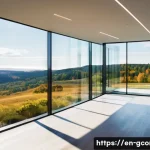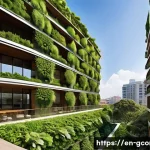
Hey there, fellow sustainability enthusiasts! Have you ever walked past a new building and wondered if it’s just another concrete jungle, or if it’s actually doing its part for our planet?
I know I have! It feels like just yesterday we were talking about recycling bins, and now we’re building homes that *give back* to the environment. That’s the incredible world of eco-friendly construction, and honestly, it’s buzzing with innovation that’s genuinely changing things for the better.
From what I’ve personally experienced, the demand for engineers who truly ‘get’ green building is exploding. We’re not just talking about solar panels anymore; we’re diving deep into smart energy management systems, sourcing materials sustainably, and even designing entire structures that actively clean the air around us!
It’s a complete game-changer, and for me, watching these technologies evolve has been nothing short of inspiring. Think about it: our homes and offices could soon become powerhouses of efficiency, dramatically cutting down on our carbon footprint and even saving us a pretty penny on utility bills.
It’s a win-win, truly. This isn’t just a niche anymore; it’s rapidly becoming the standard, transforming how we live, work, and interact with our environment, driven by ingenious solutions and a steadfast commitment to a greener, more sustainable future.
Ready to peek behind the curtain and discover how these amazing minds and their cutting-edge tech are shaping our world? Let’s dive deeper!
The Blueprint for a Greener Tomorrow: Designing with Purpose
When I first started exploring the world of sustainable building, I honestly thought it was all about slapping a few solar panels on a roof and calling it a day. Boy, was I wrong! What I’ve seen firsthand is that real eco-friendly construction starts way before the first brick is laid. It’s about a deep, thoughtful process of integrating sustainability from the initial design phase, a philosophy that truly shapes a building’s entire lifecycle. It’s like baking a cake, you can’t just throw ingredients together; you need a well-thought-out recipe and a clear vision from the very beginning. This holistic approach is what separates a truly green building from one that’s just “less bad,” and it’s a difference you can feel when you step inside. This isn’t just about environmental impact either; it’s about creating spaces that are healthier, more comfortable, and ultimately more enjoyable to live and work in, which, let’s be honest, is something we all want. The early decisions we make in design can dramatically impact everything from energy consumption to indoor air quality, making this stage absolutely crucial for any project aiming to be genuinely sustainable.
Integrated Design: A Holistic Approach
I can’t stress enough how crucial an integrated design process is. From my own experience, when architects, engineers, contractors, and even future occupants work together from day one, magic happens. Instead of each specialist working in a silo, they collaborate to find solutions that optimize the entire building’s performance. It’s not just about energy efficiency or material choices in isolation; it’s about how all these elements interact. For instance, a well-designed building might use passive solar heating, reducing the need for complex HVAC systems. This synergy means we’re not just solving one problem, but often several at once, leading to significant reductions in waste, materials, and overall environmental impact, which is a win-win in my book. It’s a dynamic, evolving process that, when done right, feels incredibly rewarding, resulting in structures that are truly harmonious with their environment.
Site Selection and Urban Planning: Starting Smart
Choosing the right location for a green building is another game-changer that I’ve seen make all the difference. It’s not just about avoiding sensitive ecosystems – although that’s super important – but also about leveraging natural resources and existing infrastructure. Think about it: placing a building to maximize natural light and ventilation can drastically cut down on energy needs. Or, building in an area with good public transport and amenities can reduce reliance on cars. These might seem like small details, but they add up to a monumental impact on a project’s carbon footprint. Personally, I get so excited when I see developers thinking beyond the property line, considering the broader urban context and how their building can contribute positively to the community and the planet. It’s about building responsibly and intelligently, right from the ground up, embracing the interconnectedness of our built and natural environments.
Beyond Bricks and Mortar: Materials that Make a Difference
Okay, let’s talk materials! This is where things get really fascinating, and honestly, a bit mind-boggling with how much innovation is happening. For years, “sustainable materials” sounded like a niche, expensive option, but I’ve seen that perception completely flipped on its head. We’re moving beyond just recycled content to incredible bio-based solutions and materials that actually *capture* carbon. It’s not just about what a material is made of, but how it’s sourced, manufactured, transported, and how it performs over its entire lifespan. I often tell people that choosing the right materials is like picking the right ingredients for a gourmet meal – quality matters, and where they come from is just as important as how they taste. From my perspective, this shift isn’t just a trend; it’s a fundamental re-evaluation of how we build, driven by a genuine desire to create healthier spaces for both people and the planet. It truly excites me to see how creative and ingenious solutions are emerging, making our buildings not just functional, but also incredibly responsible.
From Waste to Wonder: Recycled and Reclaimed Materials
I remember thinking, how much can really be recycled in construction? Turns out, a lot! The industry is getting incredibly clever with transforming waste into valuable building blocks. We’re seeing everything from recycled steel and reclaimed timber to bricks made from local construction waste. Using these materials isn’t just about diverting stuff from landfills; it often means less energy is used in production compared to virgin materials. And let’s not forget the character! Reclaimed wood, for example, often has a story to tell, bringing a unique aesthetic that you just can’t replicate with new materials. I’ve seen projects where salvaged materials became the highlight, proving that sustainability doesn’t mean sacrificing beauty or quality. This circular economy approach is rapidly gaining traction, not just because it’s good for the environment, but because it’s becoming genuinely smart business practice. It really makes you think differently about what we consider “waste.”
Local Sourcing and Low-Impact Choices: Thinking Globally, Acting Locally
One aspect of material selection that has really resonated with me is the emphasis on local sourcing. It just makes so much sense, doesn’t it? When we source materials locally, we cut down on transportation emissions, support local economies, and often gain access to materials that are naturally suited to the regional climate and conditions. I’ve seen some incredible projects using locally quarried stone or timber from responsibly managed forests nearby, and the way these buildings blend into their surroundings is just beautiful. It’s about minimizing the “embodied carbon” of a building – all the emissions associated with producing and getting materials to the site. This mindful approach to material selection is not just eco-conscious but also ensures better quality control and often, a more authentic sense of place for the building. It’s a wonderful reminder that sometimes the best solutions are right in our own backyard.
Innovative Bio-Based Materials: Nature’s Building Blocks
This is truly the cutting edge, and it still blows my mind! We’re talking about materials derived from renewable sources like plants, agricultural waste, and even fungi. Hempcrete, for instance, is a carbon-negative material made from hemp and lime, offering excellent insulation and breathability. Then there’s mycelium, the root structure of mushrooms, which can be grown into lightweight, durable bricks that are completely biodegradable. And let’s not forget cross-laminated timber (CLT), which is proving to be a highly sustainable alternative to concrete and steel in large-scale projects. These bio-based materials aren’t just eco-friendly; many offer superior performance, contributing to healthier indoor environments by being non-toxic and breathable. I personally find it incredibly inspiring to see nature providing us with such ingenious building blocks, transforming what’s possible in sustainable construction and pushing the boundaries of traditional methods. It feels like we’re truly entering a new era of building with the earth, not against it.
Powering Up Sustainably: Energy Efficiency at its Core
If there’s one area where eco-friendly construction truly shines, it’s in energy performance. I mean, who doesn’t want lower utility bills and a smaller carbon footprint? For years, energy efficiency was about better insulation, but now it’s a whole ecosystem of smart design, renewable energy, and intelligent systems working together. I’ve witnessed buildings that literally generate more energy than they consume, and it’s not science fiction; it’s happening today! This isn’t just about being “green”; it’s about being incredibly smart with our resources and building financial resilience into our homes and workplaces. The feeling of knowing your home is contributing to a cleaner grid, rather than burdening it, is truly empowering. From what I’ve observed, people are increasingly prioritizing energy performance, not just for the environmental benefits, but for the tangible savings and enhanced comfort it brings. It’s a key pillar of sustainable living that continues to evolve at a breathtaking pace, making real-world differences every single day.
Passive Design Strategies: Letting Nature Do the Work
This is perhaps the most elegant form of energy efficiency, and one I absolutely adore. Passive design is all about harnessing natural elements – the sun, wind, and even local topography – to heat, cool, and light a building, rather than relying solely on mechanical systems. I’ve walked through homes designed with carefully placed windows for optimal daylighting and cross-ventilation, and the difference in comfort and ambiance is palpable. Things like building orientation, strategic shading, and thermal mass (materials that absorb and release heat slowly) are fundamental. It’s truly inspiring to see how skilled designers can work *with* nature, creating spaces that feel incredibly comfortable and connected to the outdoors, all while drastically cutting down on energy consumption. It’s a timeless approach that’s proving more relevant than ever in our modern age.
Renewable Energy Integration: Harnessing Sun and Wind
Of course, we can’t talk about sustainable energy without mentioning renewables! Solar panels have become almost synonymous with green building, and for good reason. The advancements in solar technology, coupled with improved energy storage solutions, mean that integrating renewable energy into our buildings is more feasible and economically viable than ever before. I’ve spoken to homeowners who are practically paying nothing for electricity, and some are even selling surplus energy back to the grid – imagine getting paid by your utility company! It’s not just solar; wind micro-turbines and geothermal systems are also playing their part, turning our buildings into mini-power stations. This move towards energy self-sufficiency isn’t just about environmental stewardship; it’s about economic independence and peace of mind. The sheer ingenuity in combining these technologies to create truly self-sustaining structures is something I find incredibly exciting.
Advanced HVAC and Lighting Systems: Intelligent Energy Use
Beyond passive design and renewables, the technology inside our buildings is getting incredibly smart. Modern HVAC (heating, ventilation, and air conditioning) systems are designed for optimal energy use, often incorporating heat recovery and variable refrigerant flow. And lighting? LED technology combined with smart controls, occupancy sensors, and daylight harvesting means we only use light when and where it’s needed, at the intensity required. I’ve personally experimented with smart lighting in my own space, and the energy savings were noticeable. It’s about intelligent design and technology working hand-in-hand to maximize efficiency without compromising comfort. These systems are constantly learning and adapting, making our buildings not just energy-efficient, but genuinely responsive to our needs. It’s truly a marvel how far we’ve come in optimizing the internal environment for both people and the planet.
Breathing Easy: Indoor Air Quality and Biophilic Design
You know, when we think about a healthy home, we often focus on things like clean water or good food. But what about the air we breathe *inside* our homes? I’ve learned firsthand that indoor air quality is just as, if not more, important, especially since we spend so much of our lives indoors. Green building takes this seriously, and it’s not just about filtering air; it’s about proactively choosing materials that don’t off-gas harmful chemicals and designing spaces that promote natural airflow. What’s even cooler is the rise of biophilic design – essentially, bringing nature *into* our buildings. It’s a holistic approach that acknowledges our innate connection to the natural world, and I can tell you, being in a space that incorporates these principles just feels better, more calming, and more energizing. It’s a genuine game-changer for well-being that I believe everyone deserves to experience. It’s truly amazing how a conscious effort in design can lead to such profound improvements in our daily lives, making every breath a little bit fresher and every moment a little more serene.
Ventilating for Health: Fresh Air, Happy Homes
Poor indoor air quality can lead to all sorts of issues, from allergies to more serious health concerns. That’s why green buildings prioritize robust ventilation systems that bring in a constant supply of fresh outdoor air while expelling stale indoor air. Systems like Heat Recovery Ventilators (HRVs) and Energy Recovery Ventilators (ERVs) are fantastic because they do this without wasting energy. They essentially exchange the heat or coolness from the outgoing air with the incoming fresh air, maintaining comfortable indoor temperatures. Beyond mechanical systems, careful selection of materials that are low in VOCs (Volatile Organic Compounds) is absolutely crucial. I’ve become a stickler for checking labels and asking about material compositions, knowing that these choices directly impact the air my family and I breathe. It’s about creating a truly healthy envelope for our living spaces.
Connecting with Nature: The Power of Biophilia
This is where design gets truly artistic and incredibly impactful. Biophilic design is all about integrating natural elements and processes into the built environment to improve occupant health and well-being. Think living walls, indoor gardens, natural light permeating every corner, and even materials that mimic natural textures. I’ve visited offices with huge windows overlooking green spaces, and the impact on employee mood and productivity is undeniable. It’s not just about aesthetics; studies show that connecting with nature in our daily lives can reduce stress, improve cognitive function, and even speed up healing. For me, it feels like we’re finally acknowledging our fundamental need for nature and consciously bringing it back into our urban lives, one building at a time. It’s a beautiful concept that speaks to our deepest human needs.
Smart Homes, Smarter Planet: Tech-Driven Green Solutions
Alright, let’s geek out a little! Smart home technology isn’t just for convenience anymore; it’s a powerful ally in the fight for a greener planet. I remember when smart home tech felt like a luxury, but now, it’s becoming an essential component of energy-efficient and sustainable living. We’re talking about devices that learn our habits, optimize energy use, and even help us monitor our consumption in real-time. It’s incredibly empowering to have that level of control and insight into your home’s environmental impact. From my perspective, these technologies are transforming our homes into active participants in sustainability, not just passive shelters. It’s a dynamic and exciting field that’s making green living more accessible and impactful for everyone. I personally love seeing how these innovations simplify sustainable choices, proving that being eco-conscious doesn’t have to be complicated.
IoT for Green Building: Your Home’s Brain
The Internet of Things (IoT) is truly the brain behind the modern smart, green home. It connects everything from your thermostat and lighting to your appliances and window coverings, allowing them to communicate and work together seamlessly. Imagine your smart blinds automatically adjusting to block harsh afternoon sun, signaling your smart thermostat to reduce cooling. Or your smart plugs turning off standby power to devices not in use. I’ve set up some automations in my own home, and the energy savings have been real. It’s not just about individual devices; it’s about the synergy. When everything is integrated, your home becomes a finely tuned machine, optimizing energy consumption based on occupancy, time of day, and even weather forecasts. It truly feels like living in the future, where efficiency and comfort go hand-in-hand.
Predictive Analytics and AI: Optimizing Performance
This is where smart homes get even smarter. Beyond simple automation, predictive analytics and artificial intelligence are taking green building performance to the next level. These systems learn from your habits and preferences over time, anticipating your needs and adjusting settings proactively. For example, an AI-powered thermostat can learn your schedule and temperature preferences, pre-cooling or pre-heating your home only when you’ll be there, saving energy when you’re away. It’s about optimizing, not just reacting. I find this aspect particularly exciting because it moves us from reactive energy management to truly proactive conservation. These intelligent systems are constantly refining their strategies, ensuring that your home is always operating at peak energy efficiency, all without you having to lift a finger. It’s like having a dedicated energy manager built right into your home, making sustainable living effortlessly smart.
The Economic Upside: Why Green Building Just Makes Cents
Let’s get down to brass tacks: does going green make financial sense? This is a question I get asked all the time, and my answer is always a resounding YES! While there might be some initial higher costs for certain green technologies or materials, I’ve seen time and again how these investments pay off handsomely in the long run. It’s not just about feeling good; it’s about tangible savings, increased property values, and even attractive incentives. From what I’ve personally observed, many people are initially hesitant, focusing solely on the upfront price tag. But once they crunch the numbers and see the reduced operating costs, the improved durability, and the enhanced market appeal, it becomes a no-brainer. This financial viability is a huge driver, making sustainable construction not just an environmental imperative, but a smart economic decision for homeowners and developers alike. It’s truly a win-win situation that benefits both your wallet and the planet.
Long-Term Savings: Beyond the Initial Investment
This is probably the biggest selling point for green buildings, and one that consistently surprises people when they see the numbers. Green homes are designed to be incredibly efficient, leading to significantly lower utility bills for electricity, heating, cooling, and water. We’re talking about potentially hundreds or even thousands of dollars in savings every single year. Plus, many green materials and systems are inherently more durable, requiring less maintenance and replacement over time. So, while a high-efficiency window or a superior insulation package might cost a bit more initially, the reduced operating costs and extended lifespan mean you’re saving money year after year. It’s a fundamental shift in thinking from short-term cost to long-term value, and from my own budgeting, that’s a philosophy I truly appreciate. It provides a sense of financial security that’s hard to beat.
Increased Property Value and Market Appeal: A Smart Asset
Beyond the direct savings, green buildings often command higher property values and have greater market appeal. I’ve noticed a growing trend among buyers and renters who are actively seeking out energy-efficient and sustainable homes. They understand the benefits of lower operating costs, healthier indoor environments, and contributing to a greener future. Green building certifications like LEED or BREEAM can serve as clear indicators of a building’s superior environmental performance, giving it a competitive edge in the market. It’s a smart asset to own, not just for the intrinsic benefits, but for the tangible return on investment. As more people become environmentally conscious, the demand for these types of properties will only continue to grow, making green building a truly future-proof investment.
Incentives and Rebates: Making Green More Affordable
The good news is that governments and utilities are increasingly offering incentives and rebates to encourage green building practices. These can come in various forms, such as tax credits for installing solar panels, rebates for energy-efficient appliances, or even grants for sustainable development projects. While the availability varies by location, I always advise people to research what’s available in their area, because these programs can significantly offset the initial costs of going green. It’s a fantastic way to make sustainable choices more accessible and affordable for everyone. I’ve helped friends navigate these programs, and the excitement they feel when they realize how much they can save is just fantastic. It’s a clear indication that society as a whole is recognizing and rewarding environmentally responsible choices.
Overcoming Hurdles: Navigating the Path to Sustainable Development
Okay, so green building sounds amazing, right? But let’s be real, it’s not without its challenges. I’ve seen firsthand that despite all the incredible progress, there are still hurdles to overcome. Sometimes it’s the perception of higher upfront costs, other times it’s about navigating new technologies or regulations. It’s a bit like learning a new language – it takes effort, patience, and a willingness to adapt. But what truly inspires me is the dedication of the industry to push through these obstacles. We’re talking about innovators, engineers, and builders who are passionate about creating a better future, and they’re finding ingenious ways to make sustainable development the standard, not the exception. It’s a journey, not a destination, and every step forward, however small, brings us closer to a truly sustainable built environment. It genuinely warms my heart to see how much collective effort is going into making these important changes a reality.
The Learning Curve: Education and Training Gaps
One significant challenge I’ve observed is the “knowledge gap.” Sustainable construction methods and materials are constantly evolving, and keeping up can be a full-time job. Many traditional professionals, from architects to contractors, are used to conventional methods, and shifting to sustainable practices requires new skills and mindsets. There’s a real need for more accessible training and education to ensure that the workforce is equipped with the expertise needed for green building. I’ve personally attended workshops and webinars to stay updated, and it’s clear that continuous learning is key. It’s not just about knowing *what* to do, but *how* to do it effectively and efficiently. Bridging this gap is crucial for wider adoption and for ensuring that green buildings are constructed to the highest standards.
Initial Cost Perceptions: Dispelling the Myths
This is perhaps the most common misconception I encounter: “Green buildings are too expensive.” While some sustainable materials or technologies *can* have a higher upfront cost, it’s often a marginal difference (around 2% more than conventional structures in some cases), and these costs are typically offset by significant long-term savings in operational costs. The real challenge is shifting that initial perception and educating stakeholders about the lifecycle costs and benefits. I love sharing success stories of projects that have saved substantial amounts of money over their lifespan, proving that green building isn’t just an expense, but a wise investment. It’s about looking at the bigger picture and understanding the true value proposition of a sustainable structure.
Policy and Regulatory Support: Paving the Way
While many regions are making great strides, inconsistent policy and regulatory support can still be a hurdle. We need clear, consistent building codes and strong incentives that encourage sustainable practices across the board. When regulations are vague or constantly changing, it creates uncertainty for developers and can slow down progress. Conversely, robust policies that mandate energy efficiency standards or offer attractive tax breaks can dramatically accelerate the adoption of green building. I’m always hopeful when I see governments committing to stricter environmental standards, as it sends a clear signal to the industry and helps create a level playing field for sustainable development. It’s about creating an environment where building green is not just an option, but the preferred, and eventually, the standard way of doing things.
The Future is Now: Emerging Innovations and What’s Next
It feels like every time I turn around, there’s a new groundbreaking innovation in green building, and honestly, it’s thrilling! What was once considered futuristic or experimental is rapidly becoming mainstream. We’re seeing materials that literally heal themselves, advanced digital tools that predict a building’s environmental impact, and construction methods that are incredibly efficient. It’s not just about improving what we already have; it’s about reimagining how we build from the ground up. Personally, I get a huge kick out of following these developments because they show just how much human ingenuity is being poured into creating a sustainable future. It’s a dynamic, fast-paced world, and for those of us passionate about making a positive impact, it’s an incredibly exciting time to be involved. I firmly believe that these emerging innovations are not just trends; they are the bedrock of our future built environment, promising more resilient, healthier, and truly sustainable communities for everyone.
Self-Healing Materials and Carbon-Sequestering Concrete
Talk about living buildings! Imagine concrete that can repair its own cracks or facades that actually absorb carbon dioxide from the air. This isn’t science fiction; it’s happening! Researchers are developing self-healing concrete that incorporates bacteria to produce limestone, filling in micro-cracks and extending the lifespan of structures. And for those concerned about concrete’s carbon footprint, innovations in carbon-sequestering concrete are literally turning CO2 into a building block, making the material carbon-negative. I find these developments absolutely revolutionary. It’s about creating materials that actively contribute to a healthier environment throughout their existence, rather than just passively existing. This is a monumental shift that could transform how we approach material science in construction.
Digitalization and AI in Sustainable Construction
Digital tools are proving to be invaluable allies in sustainable construction. Building Information Modeling (BIM) has evolved to allow architects and engineers to model a building’s environmental impact, predict energy consumption, and even calculate its carbon footprint over its entire lifecycle. Then there’s AI, which can optimize designs for peak energy performance, identify the most sustainable material choices, and even manage complex supply chains to reduce waste. I’ve seen some incredible examples of AI-driven design optimizing everything from daylighting to material efficiency, making buildings inherently greener from the very first sketch. This data-driven approach means we can make incredibly informed decisions, minimizing environmental impact and maximizing efficiency at every stage. It’s a powerful fusion of technology and sustainability that’s reshaping the entire industry.
Modular and Prefabricated Construction: Efficiency Redefined
Modular and prefabricated construction might not sound glamorous, but believe me, it’s a powerhouse for sustainability! By manufacturing building components off-site in a controlled factory environment, we can drastically reduce waste, improve quality control, and shorten construction timelines. This precision means less material is wasted, and the components often arrive on site with improved insulation and air sealing, contributing to better energy efficiency. I’ve personally seen how quickly these structures can go up, and it’s genuinely impressive. It also reduces disruption on-site and can lead to more durable, higher-performing buildings. It’s an incredibly efficient and sustainable approach that’s gaining significant traction, proving that speed and sustainability can absolutely go hand-in-hand.
The Human Factor: Comfort, Health, and Community
Beyond all the technical marvels, at the heart of green building, for me, is the human element. It’s about creating spaces where people thrive – where the air is clean, the light is natural, and there’s a tangible connection to the outside world. I often reflect on how a well-designed green building doesn’t just reduce its environmental footprint, but genuinely enhances the quality of life for its occupants. It’s not just about efficiency metrics; it’s about the feeling you get when you step inside, the sense of calm, the feeling of well-being. This focus on human comfort, health, and fostering a sense of community is, in my opinion, what truly elevates sustainable construction from a technical exercise to a deeply impactful endeavor. It’s a testament to the idea that when we build with the planet in mind, we inherently build better for ourselves. This personal connection to the spaces we inhabit is something I deeply value and believe everyone should experience.
Creating Healthier Indoor Environments
I’ve touched on indoor air quality before, but it’s worth reiterating because it’s such a fundamental benefit. Green buildings go to great lengths to ensure healthy indoor environments. This means carefully selecting materials and finishes that are free from harmful chemicals like VOCs, which can off-gas and negatively impact respiratory health. It also involves sophisticated filtration systems that keep pollutants like dust, pollen, and allergens at bay. The goal is to create spaces where occupants can breathe easy, free from irritants and toxins. Personally, knowing that my living space is contributing to my family’s health, rather than potentially compromising it, provides immense peace of mind. It’s a proactive approach to wellness that I believe every home should aspire to achieve.
Enhanced Comfort and Well-being
Have you ever been in a building that just *felt* right? That’s often the magic of green design at work. Beyond air quality, green buildings prioritize thermal comfort, meaning consistent, comfortable temperatures without drafts or hot spots, thanks to superior insulation and smart HVAC. They also maximize natural daylight, reducing reliance on artificial lighting and creating brighter, more inviting spaces. And let’s not forget noise reduction – green building often incorporates strategies to minimize exterior noise, creating quieter, more peaceful interiors. It’s a holistic approach to comfort that profoundly impacts our overall well-being and productivity. I’ve personally found that working in naturally lit, well-ventilated spaces makes a huge difference to my focus and mood.
Fostering Community and Connection
Sustainable development isn’t just about individual buildings; it’s about creating sustainable communities. Many green building projects integrate public spaces, green infrastructure like parks and urban gardens, and design elements that encourage social interaction. This can mean walkable neighborhoods, shared amenities, or even design that promotes biodiversity. It’s about recognizing that our built environment plays a crucial role in fostering a sense of belonging and connecting people to both each other and the natural world. I find this aspect particularly inspiring because it demonstrates how green building can be a catalyst for positive social change, making our urban environments not just functional, but truly vibrant and harmonious places to live.
| Aspect of Green Building | Traditional Building Approach | Green Building Approach (2024-2025 Trends) |
|---|---|---|
| Material Sourcing | Focus on cost, availability; often virgin materials with high embodied energy. | Emphasis on recycled, reclaimed, local, and bio-based materials (e.g., CLT, hempcrete, mycelium bricks). |
| Energy Consumption | Relies heavily on grid electricity, often inefficient HVAC and lighting. | Passive design, renewable energy integration (solar, wind), smart grids, net-zero aspirations. |
| Waste Management | Significant construction and demolition waste, often sent to landfills. | Waste reduction through prefabrication, modular construction, material reuse, and circular economy principles. |
| Indoor Environment | Potential for VOCs from materials, limited natural ventilation, inconsistent thermal comfort. | Low-VOC materials, advanced ventilation systems (HRV/ERV), biophilic design, enhanced thermal comfort. |
| Long-term Costs | Lower initial cost, but higher operational and maintenance costs over time. | Potentially higher initial cost, but significantly lower operational and maintenance costs, higher resale value. |
Empowering Your Journey: Making Green Choices Accessible
You know, sometimes the sheer volume of information about sustainable living can feel a little overwhelming. I’ve been there! It’s easy to think that making eco-friendly choices in construction is only for big developers or wealthy individuals. But what I’ve genuinely experienced and seen is that the movement toward green building is becoming increasingly democratic. It’s about empowering everyone, regardless of their budget or project size, to make more conscious and impactful decisions. Whether you’re planning a full build, a renovation, or just looking to make your current home more efficient, there are accessible pathways and resources out there. It’s not about perfection, but about progress. Every small step truly adds up to a significant positive change, and that’s something I absolutely love to highlight. This journey towards a sustainable future is one we’re all on together, and the more we share knowledge and support, the easier and more rewarding it becomes for everyone involved.
Demystifying Green Building Certifications
When you start diving into green building, you’ll quickly come across terms like LEED, BREEAM, or Passive House standards. These are certification systems that verify a building’s sustainable performance, and while they can seem complex, they’re incredibly valuable. They act as a roadmap, guiding designers and builders through best practices for energy efficiency, water conservation, material selection, and indoor environmental quality. From my experience, achieving a certification isn’t just a badge of honor; it often translates into tangible benefits like lower operating costs, increased property value, and eligibility for various incentives. For homeowners, it provides a clear, third-party assurance that their home truly meets high environmental standards. Don’t be intimidated by them; think of them as helpful guides to building smarter and greener.
Leveraging Resources for Sustainable Living
The great news is that there’s a wealth of information and support available for those looking to embrace green building. From government websites offering guidance on energy efficiency incentives to non-profit organizations providing educational resources, the ecosystem of support is growing. I always encourage people to connect with local green building councils or architects specializing in sustainable design. Their expertise can be invaluable in navigating material choices, understanding energy systems, and finding qualified contractors. Online communities and blogs like this one are also fantastic for sharing tips, experiences, and staying updated on the latest trends. The key is not to feel like you have to figure it all out alone. There’s a supportive community eager to help you on your sustainable journey, making the process much more approachable and enjoyable.
The Power of Small, Incremental Changes
Finally, and this is something I truly believe in: you don’t have to build a net-zero skyscraper to make a difference. Every small, intentional choice counts. Maybe it’s upgrading to energy-efficient windows, installing low-flow water fixtures, or simply choosing non-toxic paints for your next renovation. These incremental changes, when adopted by many, create a ripple effect that leads to massive positive impact. I’ve personally started with simple things in my own home, and seeing the difference, both in my utility bills and my peace of mind, has been incredibly motivating. It’s about making conscious decisions that align with your values, one step at a time. The journey towards a more sustainable home and planet is accessible to everyone, and every effort, no matter how small it seems, plays a crucial role in building the greener future we all envision.
Wrapping Things Up
Wow, what a journey through the incredible world of sustainable building! From the initial blueprints to the smart tech that powers our homes, it’s clear that designing with purpose isn’t just a trend—it’s the definitive way forward. I truly hope you’ve felt as inspired as I am by the sheer ingenuity and passion driving this movement. It’s about more than just buildings; it’s about creating healthier, happier lives for ourselves and a thriving planet for generations to come. Every conscious choice, big or small, contributes to this greener tomorrow, and it’s a future I’m genuinely excited to be a part of, right alongside all of you.
Handy Information You’ll Appreciate
- Start Small, Think Big: You don’t need to overhaul your entire home at once. Even simple steps like switching to LED lighting, opting for low-VOC paints, or improving your home’s insulation can significantly reduce your environmental footprint and save you money in the long run. These small, deliberate choices accumulate over time, creating a substantial positive impact, and they’re incredibly satisfying to implement as you see the immediate benefits in your utility bills and overall home comfort.
- Research Local Incentives: Before embarking on any green home project, take some time to explore what incentives, rebates, or tax credits are available in your area. Many governments and utility companies offer fantastic programs for things like solar panel installation, energy-efficient appliance upgrades, or water conservation measures. I’ve seen these significantly reduce upfront costs, making sustainable choices much more accessible and financially attractive for everyone. It’s like getting a little extra reward for doing something good for the planet!
- Consult the Experts: Sustainable building can sometimes feel complex, with new materials and technologies emerging constantly. Don’t hesitate to reach out to architects, builders, or consultants who specialize in green design. Their expertise can be invaluable in guiding your choices, from optimizing passive solar gain to selecting the most appropriate renewable energy system for your specific needs. Their insights can save you time, money, and headaches, ensuring your project is truly efficient and effective.
- Embrace Smart Home Technology: Modern smart home devices are more than just gadgets; they’re powerful tools for sustainability. Consider investing in smart thermostats that learn your habits, automated lighting systems that conserve energy, or smart plugs that eliminate phantom power drain. Integrating these technologies can help you monitor and reduce your energy consumption without sacrificing comfort or convenience, often giving you real-time insights into your environmental impact.
- Prioritize Indoor Air Quality: Remember, a healthy home means healthy air. When choosing materials for renovations or new builds, always look for products that are low in VOCs and other harmful chemicals. Ensure proper ventilation, perhaps even considering an HRV or ERV system, to maintain a constant supply of fresh, filtered air. This focus on air quality dramatically improves your well-being, reduces allergens, and makes your living space a much healthier sanctuary for you and your family.
Key Takeaways
At the end of the day, green building isn’t just about making eco-conscious choices; it’s about building smarter, healthier, and more resilient spaces for the future. We’ve explored how integrated design, innovative materials, and cutting-edge energy solutions are revolutionizing construction, not to mention the tangible economic benefits and improved well-being they offer. While there are challenges, the relentless pace of innovation and growing awareness mean that sustainable development is becoming the accessible and preferred standard. Your involvement, however big or small, plays a crucial role in creating the greener world we all envision. It’s an exciting time to be involved, and remember, every sustainable step we take builds a brighter, more harmonious future.
Frequently Asked Questions (FAQ) 📖
Q: Beyond just slapping on some solar panels, what are some of the coolest new innovations in eco-friendly construction that are actually making a huge impact right now?
A: Oh, this is one of my favorite topics! It’s like we’ve graduated from basic green practices to a whole new level of smart, integrated solutions. Honestly, it’s thrilling to see how far we’ve come.
For me, one of the most game-changing innovations is definitely smart energy management systems. We’re talking about buildings that use IoT sensors and AI to constantly monitor and optimize everything from heating and cooling (HVAC systems are huge energy consumers!) to lighting and ventilation in real-time.
This isn’t just about turning lights off; it’s about systems learning usage patterns, predicting needs, and making adjustments automatically to drastically cut down on energy waste.
I’ve seen this personally lead to significant savings on utility bills, and it feels incredibly empowering to have a building that’s almost thinking for itself to be more efficient.
Then there’s the whole universe of sustainable and innovative materials. Forget just recycled content; we’re seeing things like bio-based materials such as hempcrete or mycelium (yes, mushroom roots!) being grown into lightweight, durable bricks.
There’s also Ferrock, a concrete alternative made from 95% recycled materials that actually absorbs carbon emissions. And how about “water-filled glass” that uses the thermal properties of water between panes to regulate indoor temperatures?
These aren’t just eco-friendly; they’re pushing the boundaries of what materials can do, often reducing waste, improving insulation, and having a lower carbon footprint from the get-go.
It’s truly inspiring to see architects and engineers embracing these cutting-edge alternatives!
Q: Okay, but let’s be real – does going “green” with construction actually save money in the long run, or is it just a fancy, expensive trend for big companies?
A: That’s a fantastic question and one I get asked a lot! It’s a common misconception that eco-friendly construction is always pricier, but from my experience and what the data shows, it’s actually a super smart financial move in the long term.
While there might be a slightly higher upfront investment – some studies suggest it could be around 2% to 10% more initially for certain certifications or features – the operational savings really add up and often result in a quick payback period.
Think about it: green buildings are designed to be incredibly efficient. They use significantly less energy and water, which translates directly into lower utility bills for years, sometimes even decades.
We’re talking potential savings of 25-50% on energy and 10-40% on water consumption! Plus, these buildings often have lower maintenance costs because they’re built with more durable, high-quality materials and smart systems that can predict issues before they become major problems.
When you factor in the enhanced indoor air quality, which can boost occupant health and productivity (a huge win for businesses!), and the potential for higher property values and easier tenant attraction, green buildings are truly a win-win for both your wallet and the planet.
It’s not just a trend; it’s a sound investment strategy.
Q: The idea of working in green building sounds amazing! What kind of career paths are out there for someone passionate about this, and what should I be looking into?
A: Oh, I totally get that excitement! The demand for professionals in green building is absolutely booming, and it’s a field brimming with opportunities for folks who want to make a real difference.
It’s a fantastic time to jump in! From my perspective, it feels like every day new roles are emerging as the industry evolves. You could definitely look into becoming a Sustainable Architect or Designer, where you’d be at the forefront of designing environmentally responsible structures, integrating everything from passive solar power to sustainable material choices.
Or perhaps a Green Building Engineer, specializing in areas like environmental engineering, structural engineering, or mechanical engineering with a sustainable focus.
This could involve designing smart energy systems, efficient HVAC, or even waste and water management for buildings. Beyond those, there’s a strong need for Sustainability Consultants who guide projects through green building certifications like LEED, ensuring compliance and optimizing environmental performance.
And if you’re more hands-on, Green Construction Managers are crucial for overseeing the actual building process, making sure sustainable practices are implemented on-site.
There are also roles in research and development, urban planning, and even material science, creating the next generation of eco-friendly building components.
Many educational institutions and online platforms are now offering specialized courses and certifications in sustainable design, building energy simulation, and green building rating systems, which can really give you a competitive edge.
The beauty of it is that your passion for sustainability can lead you down so many diverse and impactful career paths!