Hey everyone! It’s your favorite eco-conscious construction enthusiast here, and let me tell you, the world of building is undergoing a serious green revolution!
Seriously, if you’re like me, you’ve probably noticed how everyone’s talking about sustainable living, and that trend is absolutely booming in architecture and engineering.
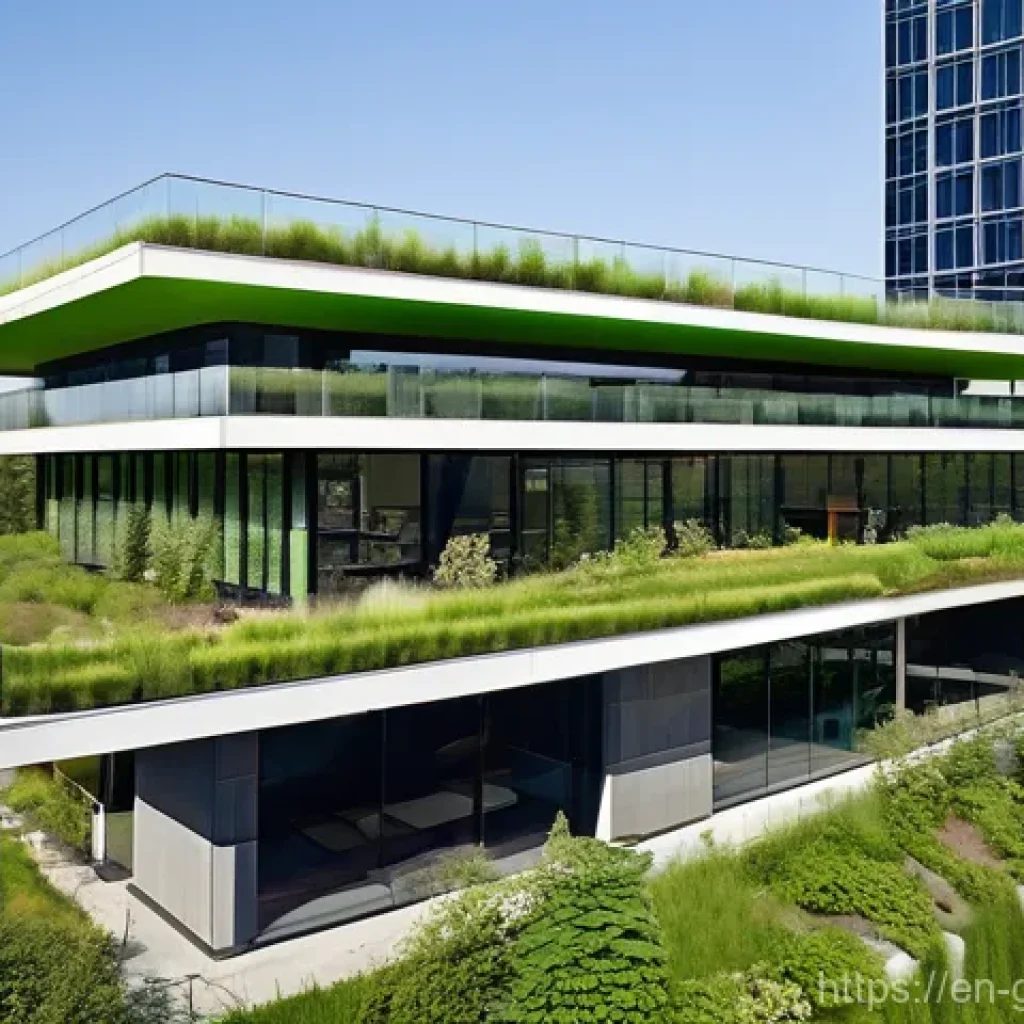
We’re seeing incredible innovations, from net-zero buildings that produce their own energy to cutting-edge materials like carbon-negative concrete and cross-laminated timber.
This isn’t just a fleeting fad; it’s the undeniable future of how we design and construct our spaces, driven by growing consumer demand, government incentives, and a crucial need to combat climate change.
I mean, who wouldn’t want a building that’s not only gorgeous but also saves money on utilities and is healthier for everyone inside? That’s where becoming a certified sustainable construction engineer comes in.
It’s not just a qualification; it’s a passport to a future-proof career, equipping you with the expertise to lead this exciting transformation. I’ve personally seen how a commitment to these practices can truly elevate a project and make a real impact.
If you’re ready to make a tangible difference in the world while building an amazing career, then you’ve absolutely got to get on board with this! Let’s explore how you can chart your course to becoming an eco-friendly construction expert.
Why Sustainable Construction is the Next Big Thing (and Why You Should Care)
The Unstoppable Green Wave in Building
If you’ve been paying any attention to the world around us, you’ve definitely felt it – this massive, undeniable shift towards sustainability. And let me tell you, it’s not just about recycling your plastics anymore; it’s permeated every single industry, especially construction.
I mean, think about it: buildings are huge energy consumers, and they leave a pretty hefty carbon footprint. But that’s all changing, and fast! We’re seeing this incredible green wave sweeping through architecture and engineering, pushing for smarter, more responsible ways to build.
It’s truly inspiring to witness the ingenuity and passion driving this transformation. From groundbreaking passive design strategies that drastically cut energy use to innovative materials that are literally pulling carbon out of the air, the possibilities are endless.
This isn’t just a fleeting trend; it’s a fundamental rethinking of how we interact with our planet through the built environment. What excites me most is the tangible difference we can make – not just for the environment, but for the health and well-being of the people who live and work in these spaces.
It’s a win-win, truly.
More Than Just Trends: It’s Essential
Honestly, for me, this isn’t just a career path; it’s a calling. The sheer urgency of climate change means that what we build today will directly impact our future.
Governments are rolling out stricter regulations, consumers are demanding healthier and more efficient spaces, and companies are realizing the long-term cost savings of sustainable practices.
It’s no longer a nice-to-have; it’s a necessity. When I look at projects I’ve been involved in, where we’ve implemented sustainable strategies, I see a genuine sense of pride from everyone involved – from the architects to the folks laying the foundations.
They know they’re contributing to something bigger. This deep-seated belief in making a positive impact is what truly drives many of us in this field.
It’s about building not just structures, but a better future. The market demand for professionals who understand sustainable construction is skyrocketing, making it not just an ethical choice, but a remarkably smart career move.
I’ve personally witnessed how a project with a strong sustainability focus attracts more talent and often achieves greater success.
Navigating the Certification Labyrinth: Which Path is Right for You?
Popular Certifications Demystified
Alright, so you’re ready to jump in, but where do you even begin with certifications? It can feel a bit like a maze at first, trust me, I’ve been there!
There are a few big players that really stand out in the sustainable construction world. LEED (Leadership in Energy and Environmental Design) is probably the most widely recognized, and it’s fantastic for really getting into the nitty-gritty of green building design, construction, operations, and maintenance.
Then you’ve got WELL Building Standard, which focuses heavily on occupant health and well-being – something that’s becoming increasingly important. And for larger infrastructure projects, Envision is a powerhouse.
Each has its own strengths, and choosing the right one often depends on your specific career goals and the types of projects you’re most passionate about.
I always tell aspiring sustainable engineers to really dig into what each certification covers and see which one aligns best with their values and professional aspirations.
It’s not about collecting every single badge; it’s about gaining relevant, deep expertise.
Choosing Your Green Specialization
This is where it gets exciting because you get to tailor your expertise! Do you see yourself optimizing energy systems in buildings, making them ultra-efficient?
Or are you more interested in material science, exploring innovative, low-impact construction materials like mass timber or recycled aggregates? Maybe urban planning and creating sustainable communities is your jam.
When I was starting out, I was fascinated by water conservation and stormwater management, which led me down a specific path within sustainable design.
Getting certified isn’t just about learning; it’s about finding your niche and becoming a recognized expert in that area. For instance, if you’re passionate about indoor air quality and healthy materials, pursuing a WELL AP credential might be perfect.
If you’re all about net-zero energy buildings, then a deep dive into LEED’s various specialties or specific energy modeling software certifications would be incredibly valuable.
Don’t be afraid to follow your interests – that’s where you’ll truly thrive and make the biggest impact.
The Skills You’ll Master: Beyond Just Bricks and Mortar
A New Toolkit for Modern Construction
Becoming a certified sustainable construction engineer isn’t just about memorizing facts for an exam; it’s about fundamentally changing the way you approach building projects.
You’ll develop a whole new toolkit, packed with skills that are absolutely essential for the future of our industry. We’re talking about lifecycle assessment, which helps you evaluate the environmental impacts of materials from cradle to grave.
You’ll dive into advanced energy modeling software to predict and optimize a building’s performance. Understanding green building codes and regulations – which are constantly evolving – becomes second nature.
It’s a holistic approach that goes way beyond traditional engineering. I remember my first project where we used a comprehensive LCA for material selection; it was eye-opening to see the quantifiable impact of different choices.
These aren’t just theoretical concepts; they’re practical, hands-on skills that directly translate to real-world problem-solving and innovation. It truly elevates your problem-solving capabilities from just structural integrity to environmental stewardship and occupant well-being.
Thinking Holistically: Design, Materials, and Energy
What I love most about this field is the holistic thinking it demands. You can’t just look at a building’s structure in isolation. You have to consider how every single component interacts: from the orientation of the building impacting solar gain, to the type of insulation affecting energy efficiency, to the sourcing of materials influencing carbon emissions.
It’s like a complex puzzle where every piece is interconnected. This means collaborating closely with architects, urban planners, material scientists, and even public health experts.
For example, understanding the impact of volatile organic compounds (VOCs) in paints and adhesives on indoor air quality is just as crucial as ensuring the structural integrity of the walls.
It’s about creating spaces that are not only resilient and functional but also regenerative and healthy for both people and the planet. This integrated approach, for me, is the most rewarding part of the job, as it allows for truly innovative and impactful solutions that benefit everyone involved.
Real-World Impact: Seeing Your Green Visions Come to Life
Projects That Truly Make a Difference
This is where the rubber meets the road, and honestly, it’s the most rewarding part of being a sustainable construction engineer. Imagine designing a building that produces more energy than it consumes, or a community where stormwater is naturally managed, creating beautiful green spaces instead of relying on outdated infrastructure.
These aren’t pipe dreams; these are projects I’ve seen come to fruition, and it’s incredible. You’re not just drawing lines on a blueprint; you’re actively shaping a healthier, more sustainable future.
One of my favorite projects involved transforming an old, inefficient commercial building into a vibrant, net-zero office space. Seeing the energy bills plummet and the tenant satisfaction soar, all while knowing we significantly reduced its environmental footprint, was an incredible feeling.
This field offers countless opportunities to work on projects that genuinely contribute to environmental protection and community well-being, moving beyond mere compliance to genuine innovation.
The Personal Satisfaction of Sustainable Building
There’s a unique sense of accomplishment that comes with working on a sustainable building project. It’s a deeper satisfaction than just finishing a job.
You know that your efforts are contributing to something meaningful, something that will positively impact generations to come. When I walk through a building I helped make truly green, I feel a connection to the future.
It’s about building with purpose and integrity. The feedback you get from occupants who appreciate the improved air quality, the natural light, or the reduced utility bills is incredibly validating.
It’s not just about technical achievement; it’s about human impact. Being able to point to a tangible result of your expertise that is both environmentally responsible and economically smart is an unparalleled feeling.
It’s a career where you can genuinely align your professional aspirations with your personal values, creating a powerful sense of fulfillment.
Boosting Your Career and Bank Account: The ROI of Eco-Expertise
High Demand, Higher Value
Let’s be real, while passion is great, we all need to pay the bills! And the good news is, becoming a certified sustainable construction engineer is a seriously smart financial move.
The demand for professionals with this specific expertise is through the roof, and it’s only going to keep climbing. Companies, both big and small, are desperate for people who understand green building principles, can navigate complex regulations, and can deliver sustainable projects.
This high demand translates directly into higher salaries and more opportunities for career advancement. I’ve seen countless colleagues, myself included, experience significant career growth after specializing in sustainability.
It gives you a competitive edge in a crowded job market, making you an invaluable asset to any team. Trust me, investing in this certification now will pay dividends for years to come.
Long-Term Financial and Professional Growth
Think of it as future-proofing your career. As climate concerns intensify and regulations become even stricter, the need for sustainable design and construction will only grow.
This isn’t a fleeting trend; it’s the new normal. So, by getting certified now, you’re positioning yourself at the forefront of the industry. This means not just better starting salaries, but also accelerated growth, leadership opportunities, and the chance to work on truly cutting-edge projects.
You’ll become a go-to expert, someone whose insights are highly valued. I’ve personally experienced how this specialization opens doors to consultancy roles, speaking engagements, and even opportunities to shape industry standards.
It’s about building a robust, resilient career that continues to evolve and offer new challenges and rewards as the world increasingly prioritizes environmental responsibility.
| Certification | Primary Focus | Key Benefits for Professionals |
|---|---|---|
| LEED (Leadership in Energy and Environmental Design) | Green building design, construction, operation, and maintenance across various building types. | Widely recognized global standard, demonstrates broad green building expertise, opens doors to diverse projects. |
| WELL Building Standard | Human health and well-being in buildings through air, water, nourishment, light, fitness, comfort, and mind. | Specializes in occupant health, growing demand, focuses on holistic human-centric design. |
| Envision | Sustainable infrastructure projects (roads, bridges, water systems, parks). | Targets large-scale infrastructure, addresses community, environmental, and economic impacts. |
| BREEAM (Building Research Establishment Environmental Assessment Method) | Comprehensive environmental performance of buildings and infrastructure projects. | International recognition, covers diverse environmental categories, strong emphasis on whole lifecycle. |
Staying Ahead of the Curve: Continuous Learning in a Changing World
Evolving Technologies and Regulations
If there’s one constant in sustainable construction, it’s change! New technologies are emerging all the time – think AI-driven building management systems, advanced renewable energy sources, and groundbreaking materials science.
Plus, regulations are constantly being updated and refined to push us towards even greater sustainability. This means that continuous learning isn’t just a nice idea; it’s absolutely essential to stay relevant and effective.
I make it a point to regularly attend webinars, read industry journals, and participate in conferences. It’s how I keep my finger on the pulse and ensure I’m always bringing the latest, most innovative solutions to my projects.
It can feel like a lot sometimes, but that challenge is also what makes it so stimulating. It ensures your expertise remains sharp and that you are always at the forefront of the industry’s advancements.
Networking and Professional Development
Beyond formal learning, connecting with other professionals in the sustainable construction space is incredibly valuable. Attending industry events, joining professional organizations, and participating in online forums can open up so many doors.
You’ll learn about new trends, discover job opportunities, and find mentors who can guide your career. I’ve found some of my most innovative solutions by bouncing ideas off colleagues at industry meet-ups.
It’s also where you can share your own experiences and contribute to the collective knowledge of the field. This community aspect is huge; it’s not just about individual expertise, but about collective progress.
Plus, these connections often lead to collaborative projects and friendships that enrich your professional life immensely.
Making the Leap: Your Step-by-Step Guide to Getting Certified
Planning Your Study and Exam Strategy
Okay, so you’re fired up and ready to get certified – amazing! Now, how do you actually get there? First things first, pick your certification.
Once you’ve done that, dive deep into the specific requirements. Most certifications will have official study guides, reference manuals, and sometimes even recommended courses.
I found it really helpful to create a study schedule and stick to it, dedicating specific blocks of time each week. Don’t try to cram everything in at the last minute; sustainable concepts often require a bit of time to truly sink in.
Practice exams are also your best friend; they’ll help you identify your weak areas and get comfortable with the exam format. Remember, it’s not just about knowing the answers; it’s about understanding the “why” behind sustainable practices.
Leveraging Resources and Communities
You don’t have to go it alone! There are tons of resources out there to help you on your certification journey. Many organizations offer online courses, workshops, and study groups.
Don’t underestimate the power of a good study partner or an online forum where you can ask questions and share insights. I actually joined a local green building chapter, and the discussions and study sessions were invaluable.
People are generally very eager to help and share their experiences. Leverage all available resources, from official guides to online communities and practice tests.
This combination of structured study and community support will not only boost your chances of passing but also deepen your understanding and enjoyment of the learning process.
You’ll be amazed at how quickly you can absorb complex information when you’re engaging with it from multiple angles and with the support of others.
Wrapping Things Up
And there you have it, folks! It’s been an incredible journey exploring the dynamic and deeply rewarding world of sustainable construction. If there’s one thing I hope you take away from all this, it’s that this isn’t just a niche area anymore; it’s the future. The personal fulfillment, the career opportunities, and the undeniable positive impact we can make on our planet are truly unparalleled. So, whether you’re just starting out or looking to pivot, diving into sustainable construction could very well be the best decision you make for your career and for the world we share.
Handy Insights You’ll Want to Bookmark
Here are a few extra nuggets I’ve picked up along the way, things I wish someone had told me earlier, that might just give you that edge or spark a new interest:
1. Don’t overlook the power of biomimicry in design! Seriously, looking to nature for design solutions, like optimizing ventilation based on termite mounds, can lead to incredibly innovative and energy-efficient buildings. It’s a mind-blowing concept that’s gaining traction and offers a fresh perspective on problem-solving. It’s about letting nature do the heavy lifting of innovation for you, a truly elegant approach to sustainable building.
2. Did you know that green buildings often have significantly lower operating costs? It’s not just about the environment; it’s about the bottom line. Reduced energy consumption, lower water bills, and less waste translate directly into tangible financial savings over the building’s lifecycle. This is a huge selling point when pitching sustainable projects to clients who might be initially focused only on upfront costs, and I’ve seen it convince many a skeptic.
3. Networking isn’t just for job hunting; it’s for learning! Attending local green building council meetings or joining online forums has been instrumental in keeping me updated on emerging technologies and best practices. You’ll find a community of incredibly passionate and knowledgeable individuals who are more than willing to share their insights and experiences. These connections have often led to unexpected collaborations and fresh ideas for my own projects.
4. Don’t be intimidated by the technical jargon. Sustainable construction can sound incredibly complex with all its acronyms and certifications, but at its core, it’s about common sense: using resources wisely, minimizing harm, and creating healthy spaces. Break it down into smaller, manageable chunks, and you’ll find it’s far more accessible than it first appears. Every expert started somewhere, and curiosity is your best guide.
5. Consider specializing in an area that truly excites you. While general knowledge is great, becoming a go-to expert in a specific niche – be it net-zero water systems, urban ecology, or sustainable material procurement – will set you apart. Your passion will fuel your expertise, and that specialization will make you invaluable in an increasingly competitive market. It’s a sure fire way to create deep impact and enjoy your work even more.
Key Takeaways to Ponder
In essence, embracing sustainable construction isn’t just about adhering to a new set of rules; it’s about adopting a mindset that prioritizes long-term value, environmental stewardship, and human well-being. The industry is booming, hungry for skilled professionals, and offers a unique opportunity to build a career that truly matters. Investing in your expertise now through certifications will position you at the forefront of this green revolution, allowing you to innovate, lead, and contribute to a healthier, more prosperous future for everyone. It’s a path that offers both profound personal satisfaction and robust professional growth.
Frequently Asked Questions (FAQ) 📖
Q: Why is sustainable construction such a hot topic right now, and what kind of tangible impact can I truly make in this field?
A: Oh, believe me, it’s not just “talk” anymore; sustainable construction is the absolute future, and for good reason! We’re at a critical point where climate change isn’t just a distant threat, it’s a daily reality we’re all feeling.
Consumers are smarter now, too. They’re demanding healthier, more energy-efficient spaces, and governments are stepping up with incentives and regulations that make green building not just good for the planet, but also smart business.
From my own journey, I’ve seen how incredible it feels to be part of a project that significantly cuts carbon emissions. I mean, we’re literally designing buildings that tread lightly on the Earth, using fewer resources, generating less waste, and even producing their own energy!
Think about it: you could be the one specifying innovative materials like recycled steel or low-carbon concrete, or designing systems that drastically reduce a building’s water usage.
It’s not just about saving the planet, which is huge, but also about creating healthier indoor environments where people thrive. I remember working on a commercial building where we integrated advanced air filtration and natural lighting – the tenants reported significantly higher productivity and fewer sick days.
That’s a real, measurable impact! You’re not just building structures; you’re building a better quality of life for everyone who interacts with them, and that’s incredibly rewarding.
Q: What does a sustainable construction engineer actually do day-to-day, and is this career path truly stable and growing?
A: Great question, because I know when I first heard about it, I pictured something super niche, but it’s anything but! A sustainable construction engineer’s day is incredibly dynamic.
You might start your morning reviewing architectural plans, looking for opportunities to incorporate passive solar design or optimize insulation. Then, you could be meeting with material suppliers, checking out cutting-edge green products, or even visiting a job site to ensure that sustainable practices, like waste diversion or responsible material sourcing, are being followed to a tee.
I’ve spent afternoons running energy simulations to predict a building’s performance, or advising clients on achieving certifications like LEED or WELL.
It’s a blend of technical expertise, creative problem-solving, and constant learning. And stable? Absolutely!
This isn’t a temporary gig. The demand for professionals who understand how to build sustainably is skyrocketing. As someone deeply embedded in this industry, I can tell you that every major firm, from small design studios to huge international contractors, is actively seeking sustainable specialists.
With escalating environmental regulations and a global push for net-zero emissions, this isn’t just a growing field; it’s becoming the standard for how we build, making it one of the most future-proof career paths you could possibly choose.
Q: Okay, I’m convinced! What are the practical steps I need to take to become a certified sustainable construction expert?
A: Fantastic! Welcome to the green side of building, you won’t regret it! Getting started can seem a little daunting, but it’s totally achievable, and honestly, it’s an exciting journey of discovery.
First things first, a solid engineering background is usually your best bet – think civil, environmental, or mechanical engineering. From there, I highly recommend pursuing specialized certifications.
The big players you’ll hear about are LEED (Leadership in Energy and Environmental Design), WELL Building Standard, and BREEAM (Building Research Establishment Environmental Assessment Method).
Becoming a LEED Green Associate or a WELL AP is an amazing starting point; these demonstrate a foundational understanding of sustainable building principles and are widely recognized.
I personally found the LEED accreditation process to be an incredible deep dive into practical applications, which was an absolute game-changer for my confidence.
Beyond formal education and certifications, get practical experience wherever you can! Volunteer for local green building projects, intern with firms specializing in sustainable design, or even start your own small-scale eco-friendly project.
Networking is also key – go to industry conferences, join online forums, and connect with people who are already doing what you want to do. The sustainable construction community is incredibly welcoming and always keen to share knowledge.
It’s a field where continuous learning is rewarded, so stay curious, keep an eye on emerging technologies, and be ready to innovate!